Species Discovery & Integrative Taxonomy
The Foundation of Evolutionary Biology
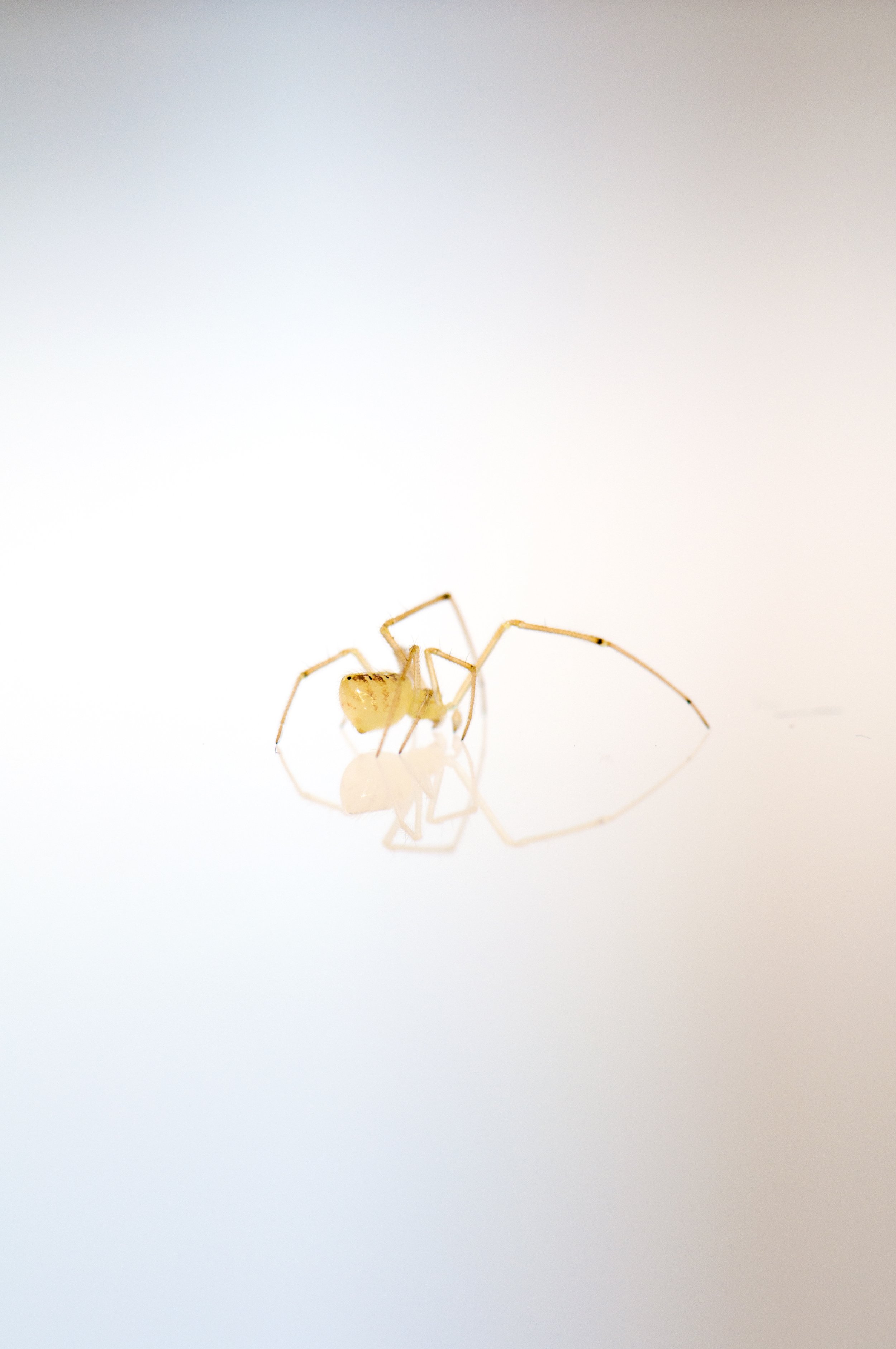
Evolutionary theory is only as robust as the taxonomy underpinning it. In an era of rapid biodiversity loss, discovering, describing, and cataloging species remains one of the most urgent frontiers in science. My research program pairs traditional specimen-based morphology and digital automontage imaging with multi-locus phylogenetics and chemical analysis to resolve cryptic species boundaries, correct historical synonymies, and document unknown arthropod diversity across the Pacific.
An Oceanic Island Endemic
Featured Discoveries
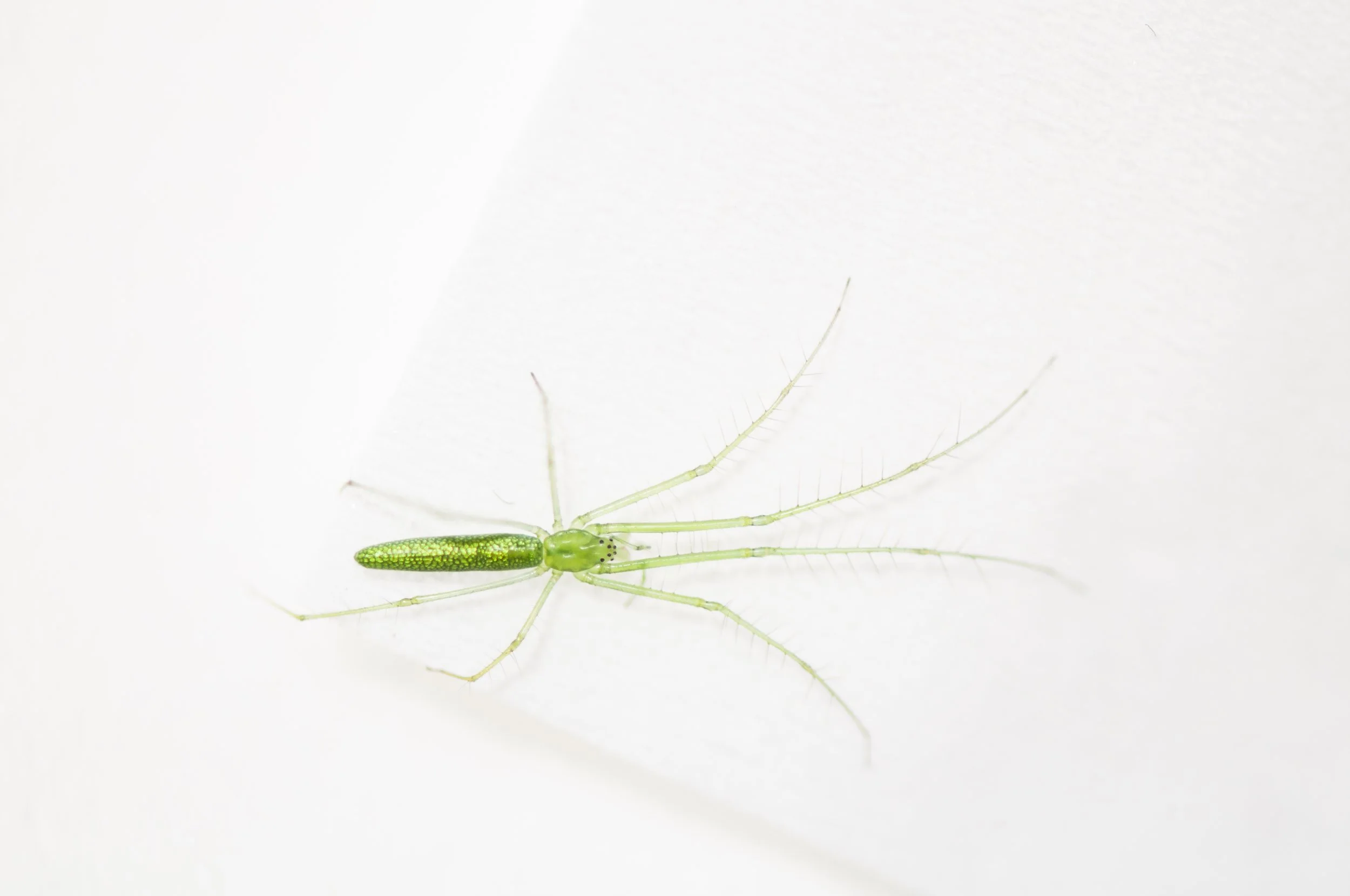
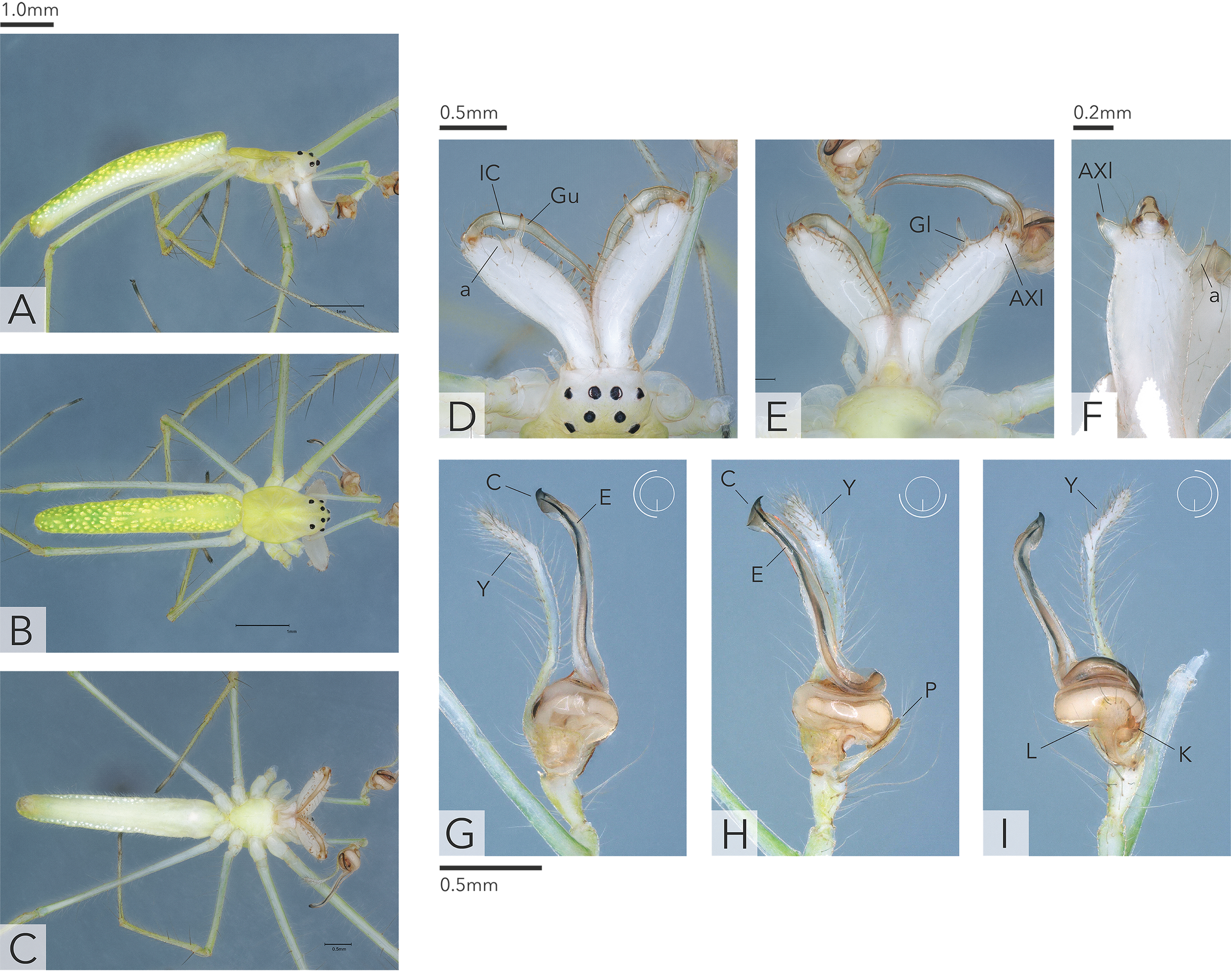
Formally describing a new, endemic Tetragnatha spider from the oceanic Bonin (Ogasawara) Islands of Japan, Tetragnatha midori Adams et al., sp. nov., resolving a half-century of taxonomic misidentification where specimens were mistakenly attributed to the Samoan T. laqueata. T. midori displays remarkable morphological convergence with Hawaii’s iconic "spiny leg" radiation, combining bright emerald-green coloration with long with robust leg spines.
Resolving Cryptic Continental Complexes
Featured Discoveries

This work leverages chemical and genomic analysis alongside geometric morphometrics of male genitalic structures to uncover cryptic species boundaries within widespread continental lineages across California and the Pacific Northwest. By examining historical museum specimens collected as early as the 1930s, I find that subtle genitalic differences historically dismissed as "intraspecific variation" actually demarcate distinct evolutionary lineages that align with the chemical and genomic data.