Spatial Connectivity & Signal Evolution
Tetragnatha Spiders Across California
Background
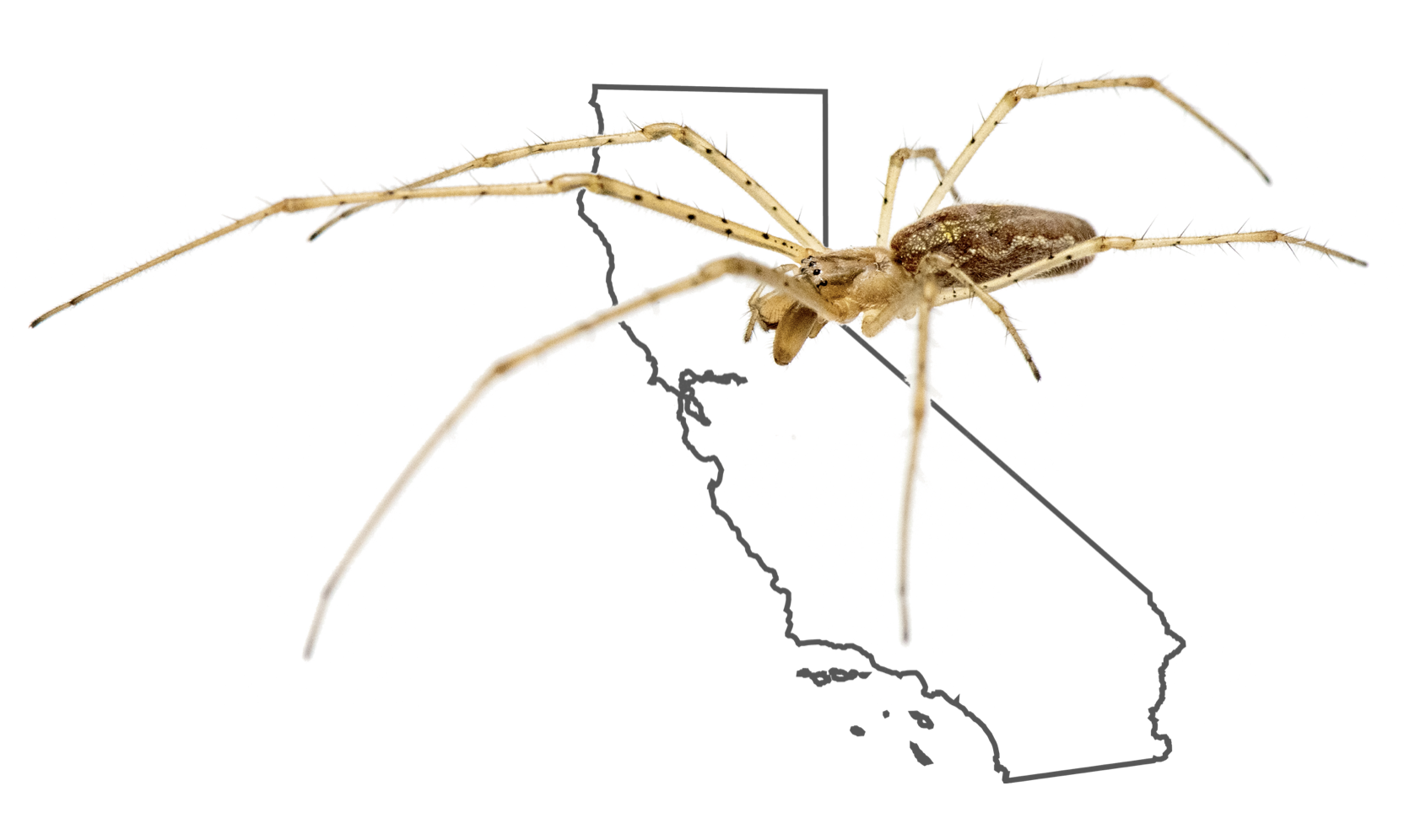
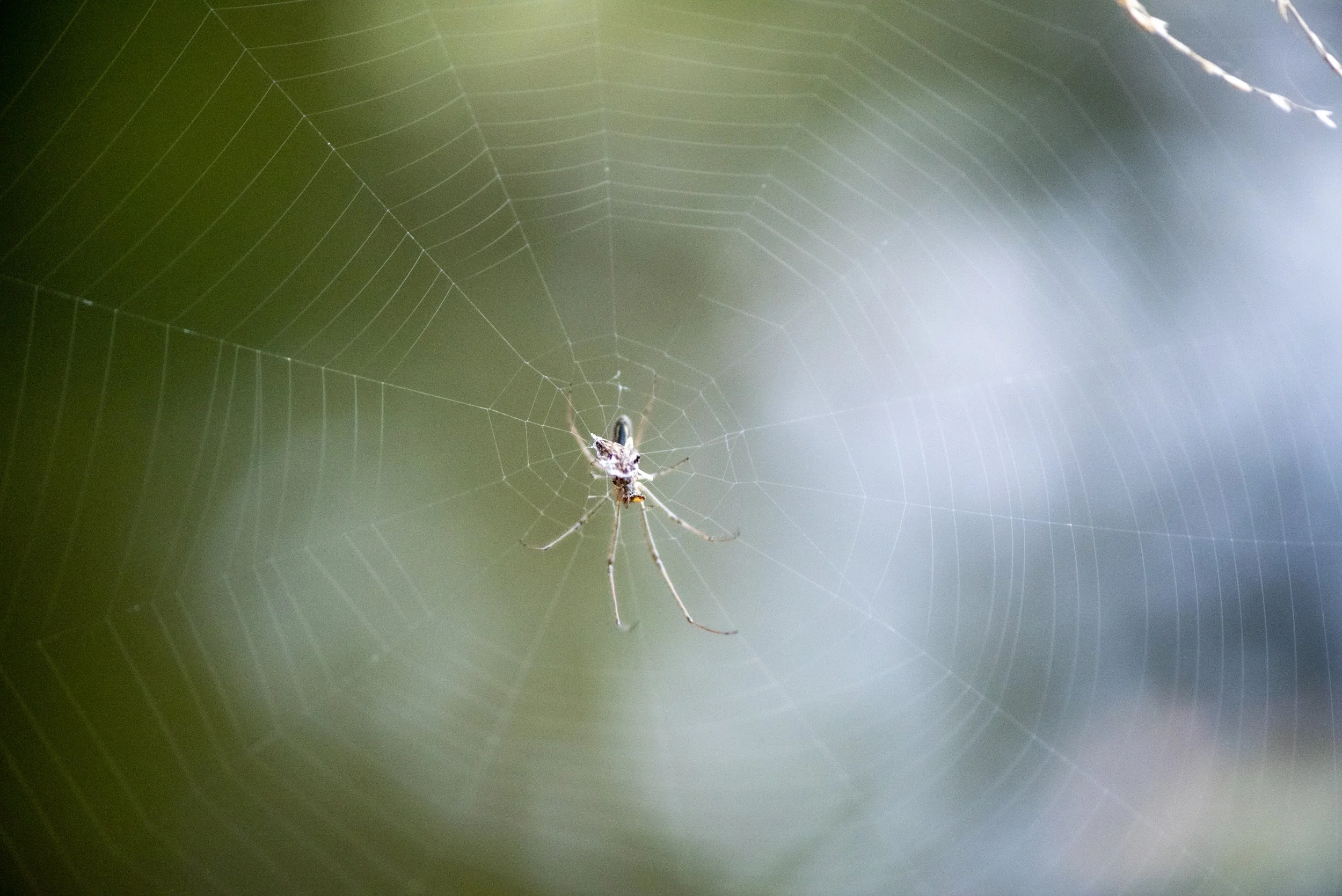
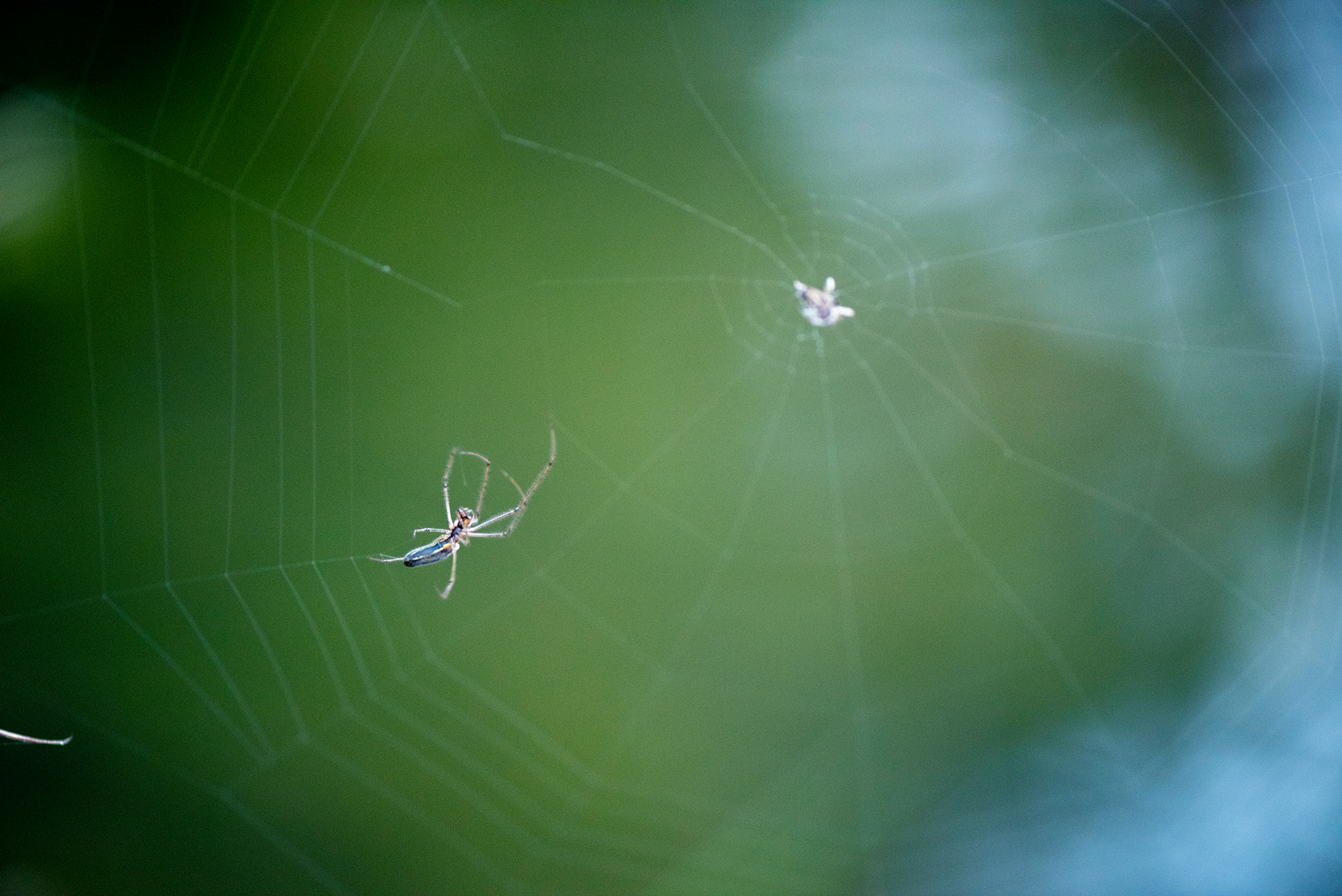
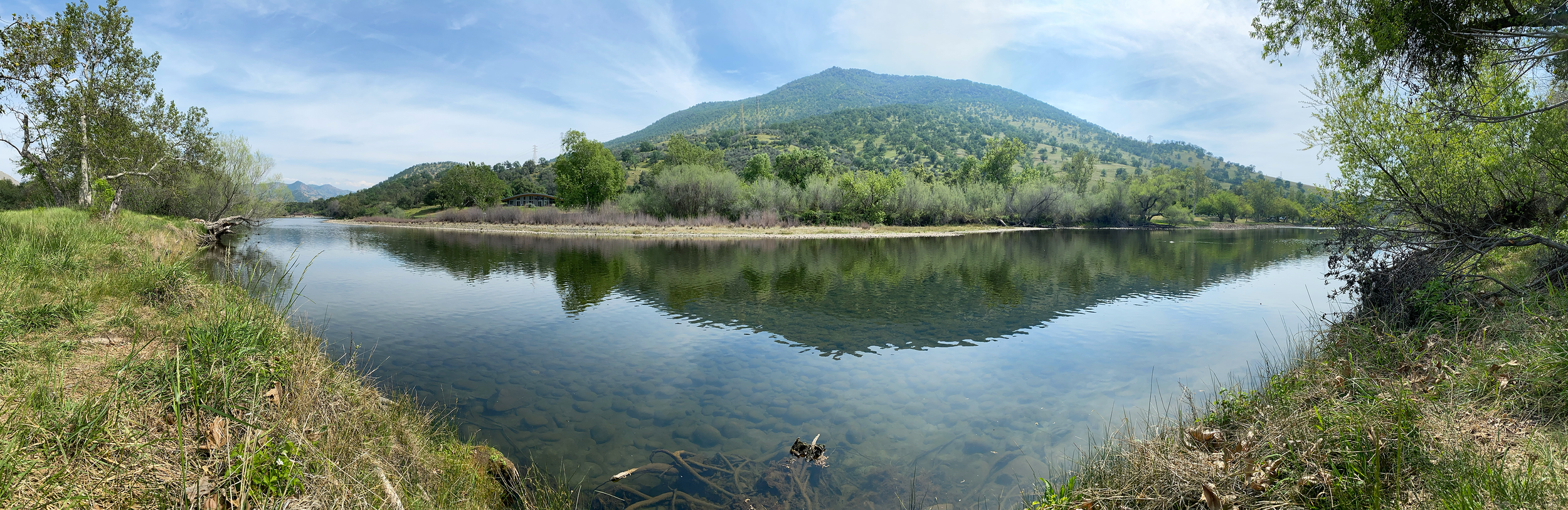
While isolated island archipelagos illustrate how extreme geographic barriers foster rapid divergence, understanding speciation broadly requires examining how reproductive boundaries form across continuous landscapes with ongoing gene flow. Spanning diverse ecological gradients and complex topography, California provides an ideal system to test how spatial scale and landscape connectivity shape sexual signal divergence. By contrasting widely distributed continental Tetragnatha species with their island counterparts, we can determine how gene flow and geography alter the evolutionary trajectories of chemical mating signals.
Core Questions
How does geographic connectivity and spatial scale influence the divergence of chemical signals?
Can cuticular chemical profiles uncover cryptic species boundaries across continuous continental landscapes?
Chemical Signals & Connectivity in California
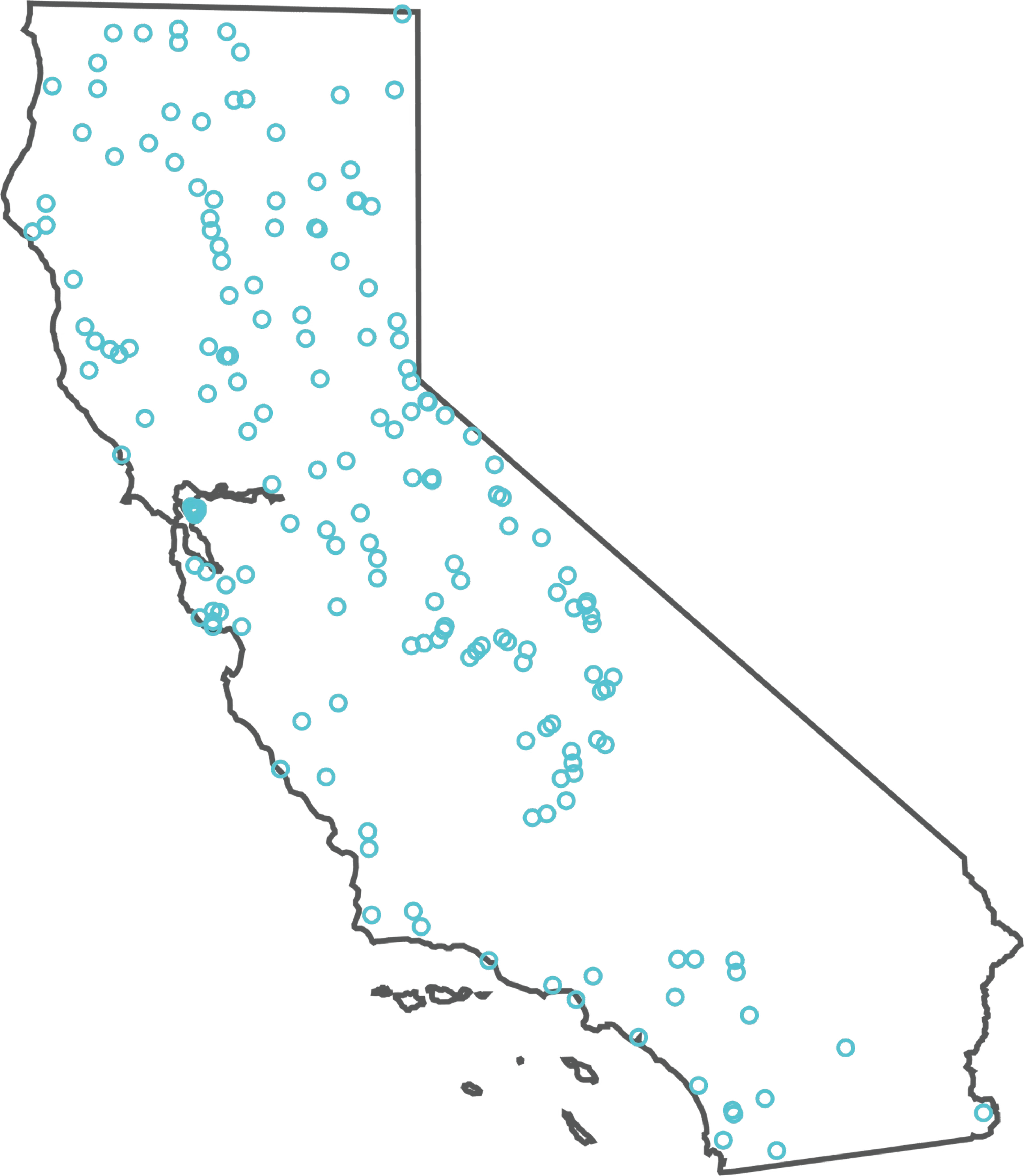
Key Findings
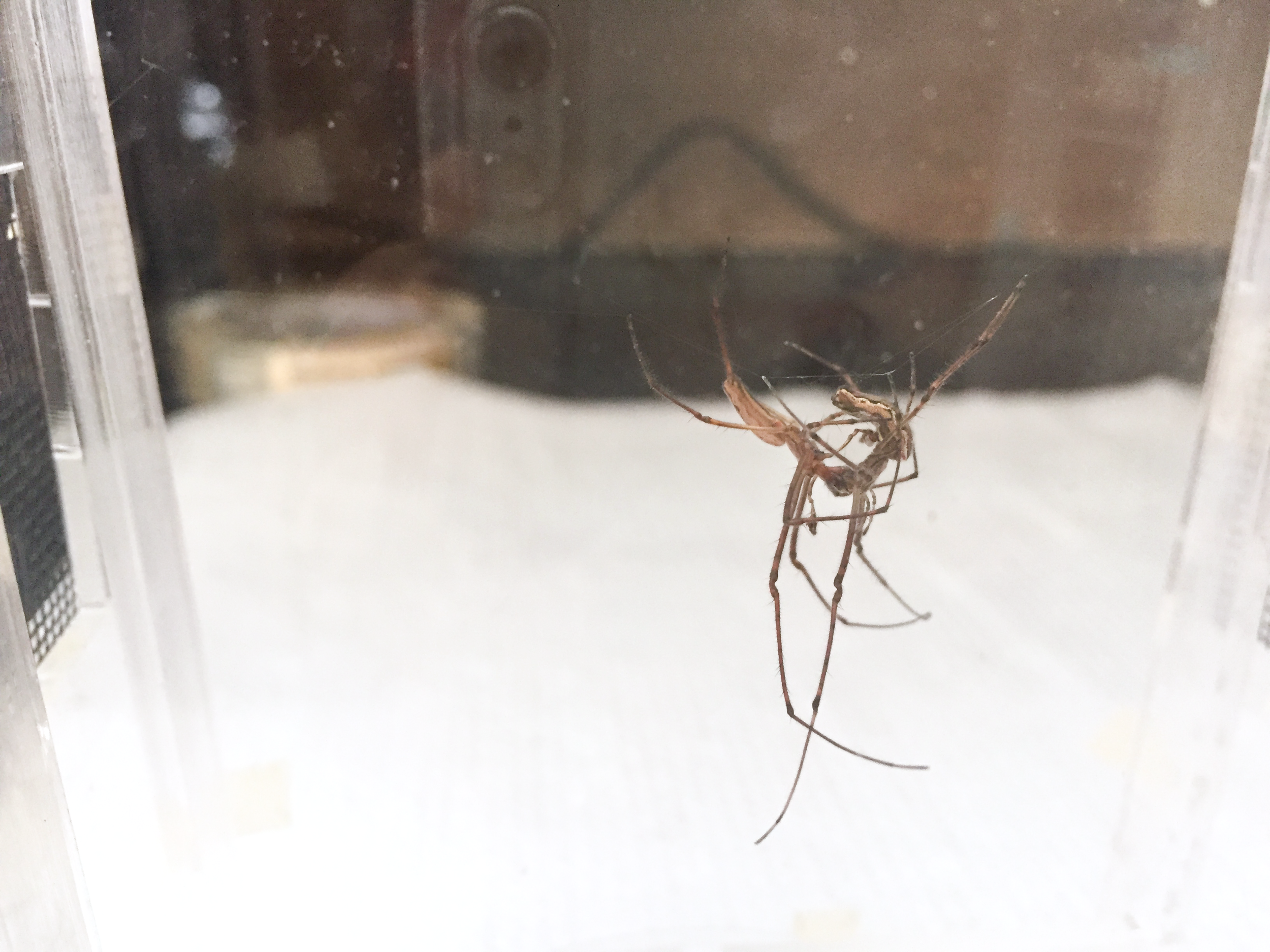
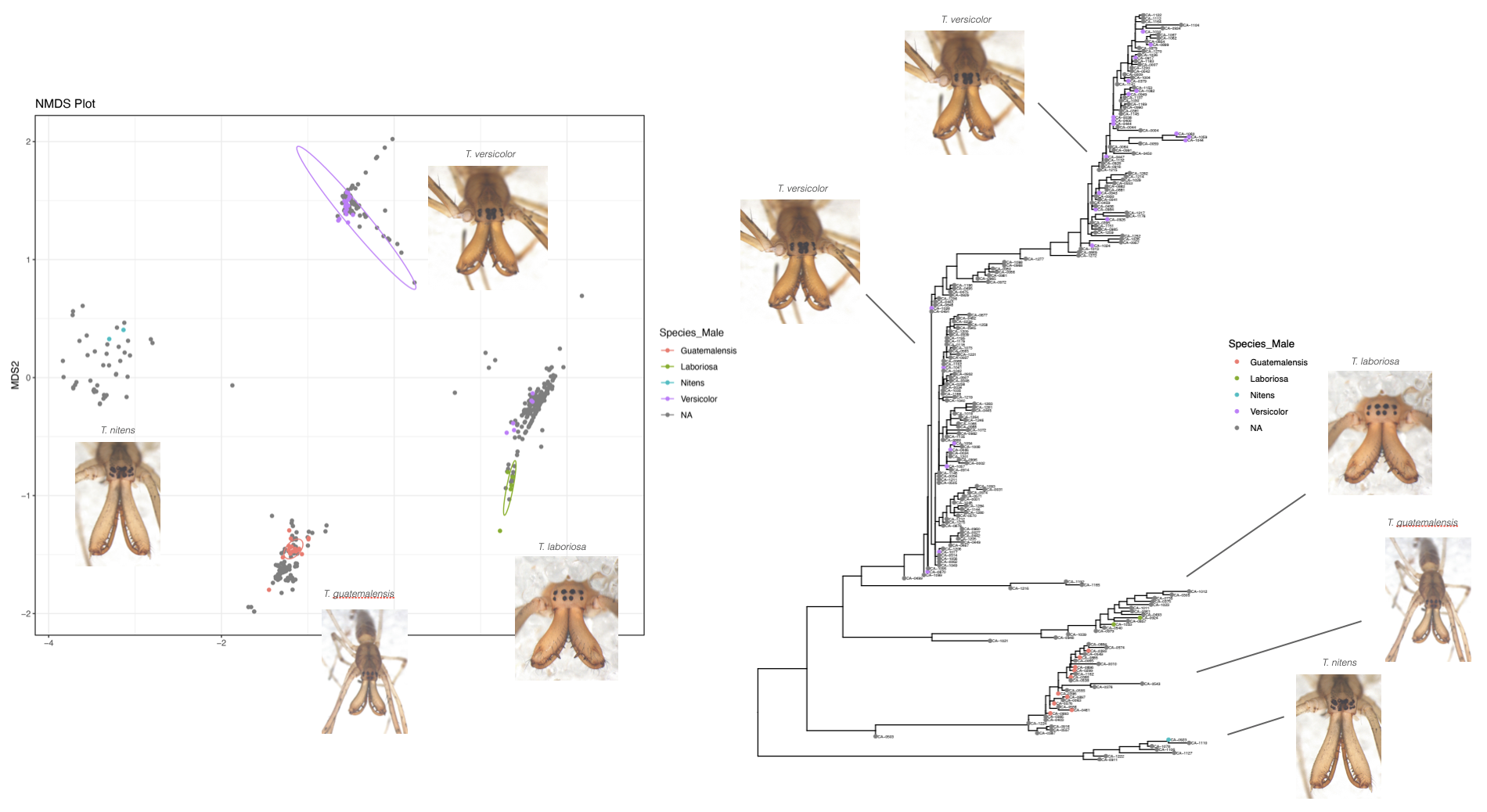
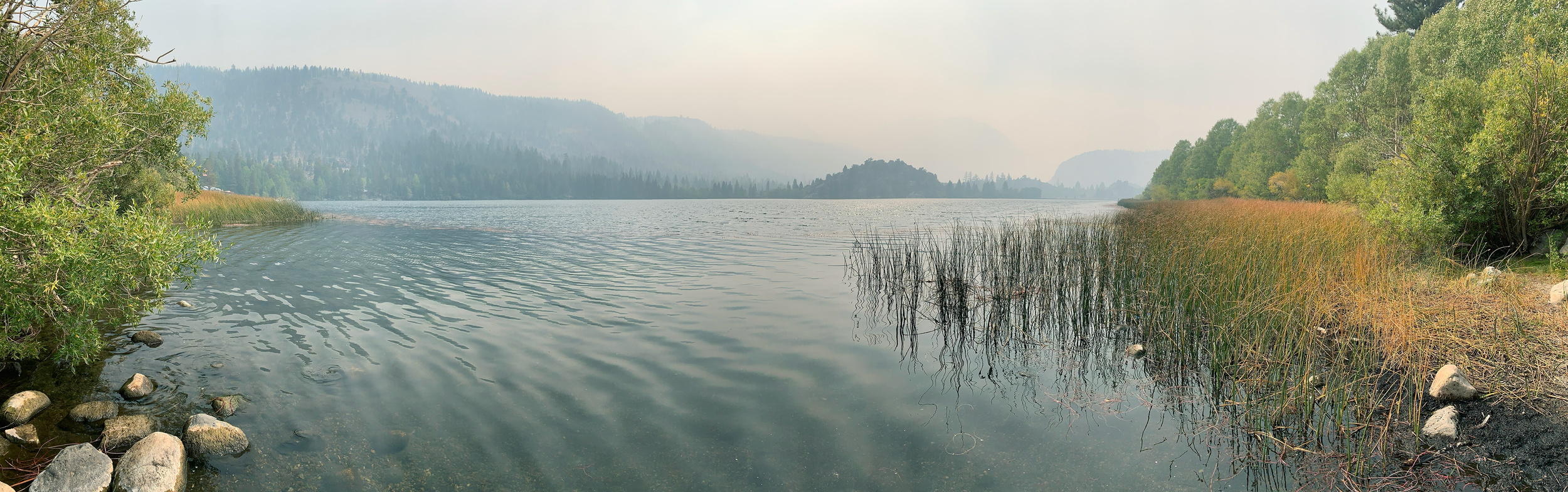
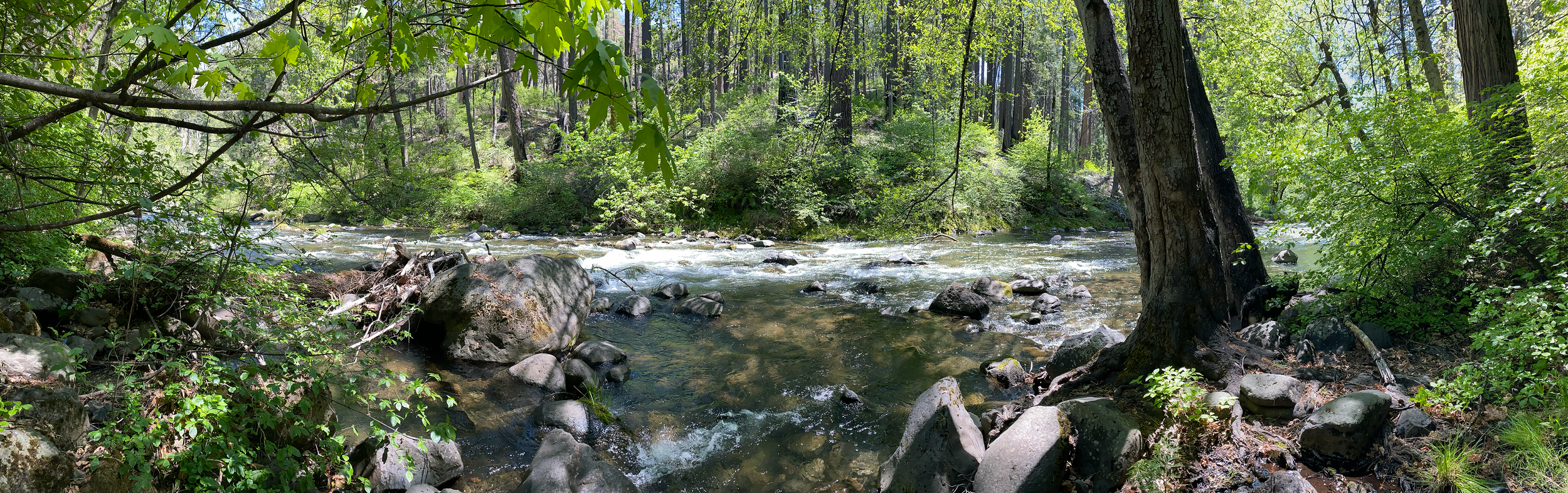
As part of the California Conservation Genomics Project (CCGP), I sampled Tetragnatha spiders from 195 sites statewide, extracting cuticular chemicals and analyzing whole-genome resequencing data. Closely related continental species responded to geographic scale in markedly different ways.
← Reference genome paper for California T. versicolor
Resolving Cryptic Species with Chemical Signals
Key Findings
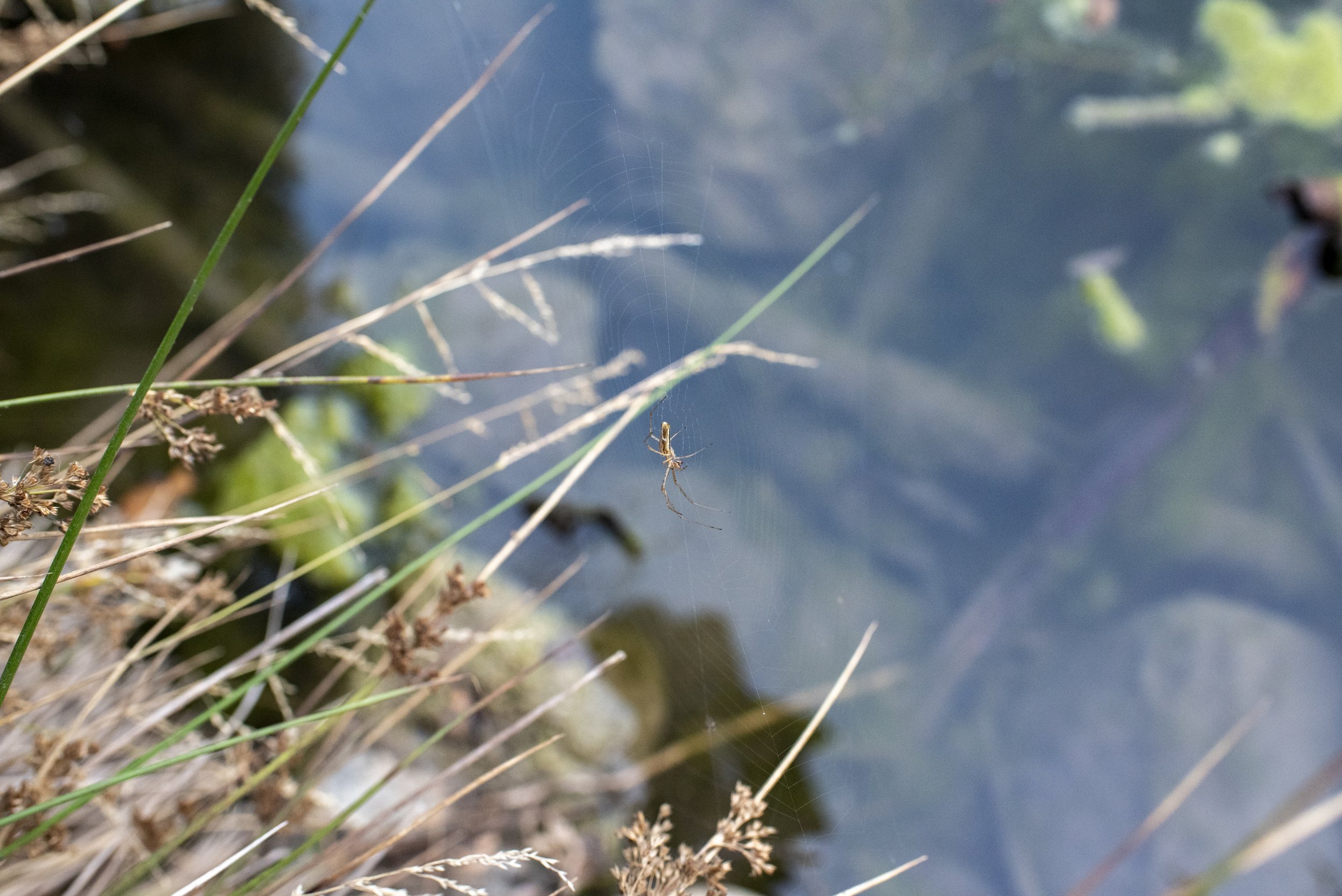
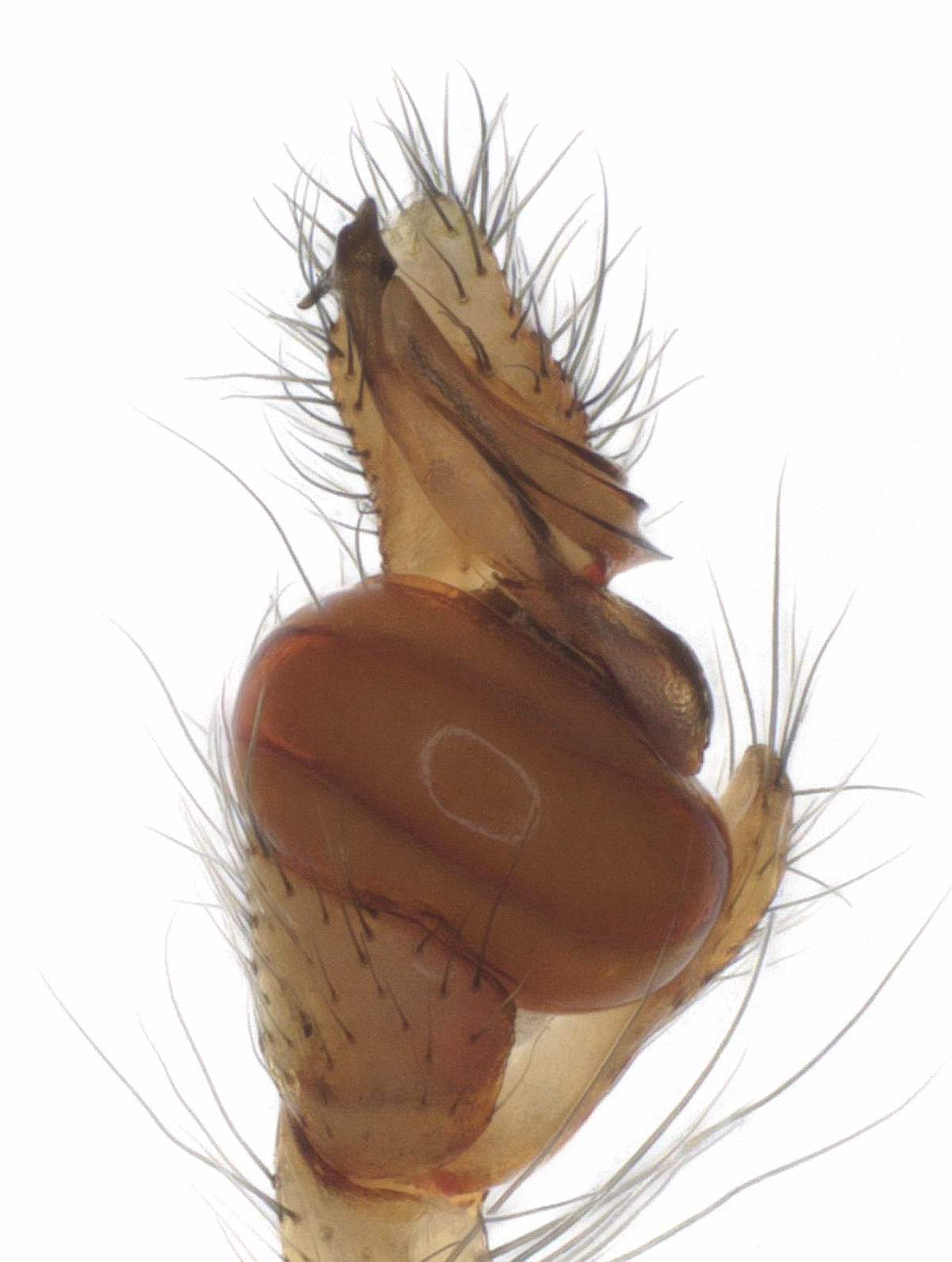
In Tetragnatha versicolor, the cuticular chemotypes strongly correspond to diagnostic differences in male genital architecture revealed through geometric morphometrics — variation that had historically been dismissed as intraspecific noise. Examining museum specimens collected in the 1930s confirmed the same morphological and geographic split, demonstrating how integrating cuticular chemical profiles with morphology can resolve long-standing cryptic species complexes across broad spatial and temporal scales.