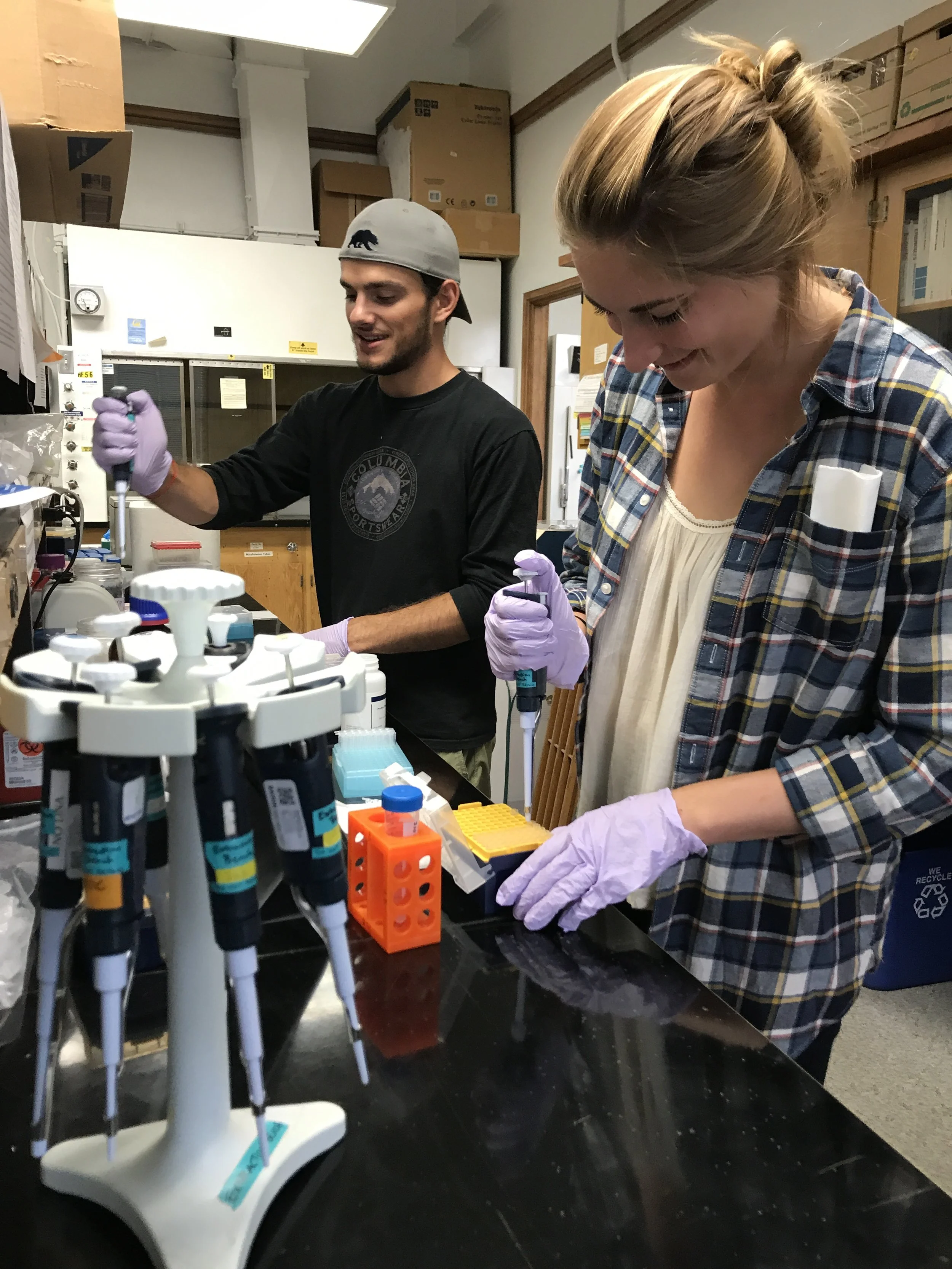
Mentoring

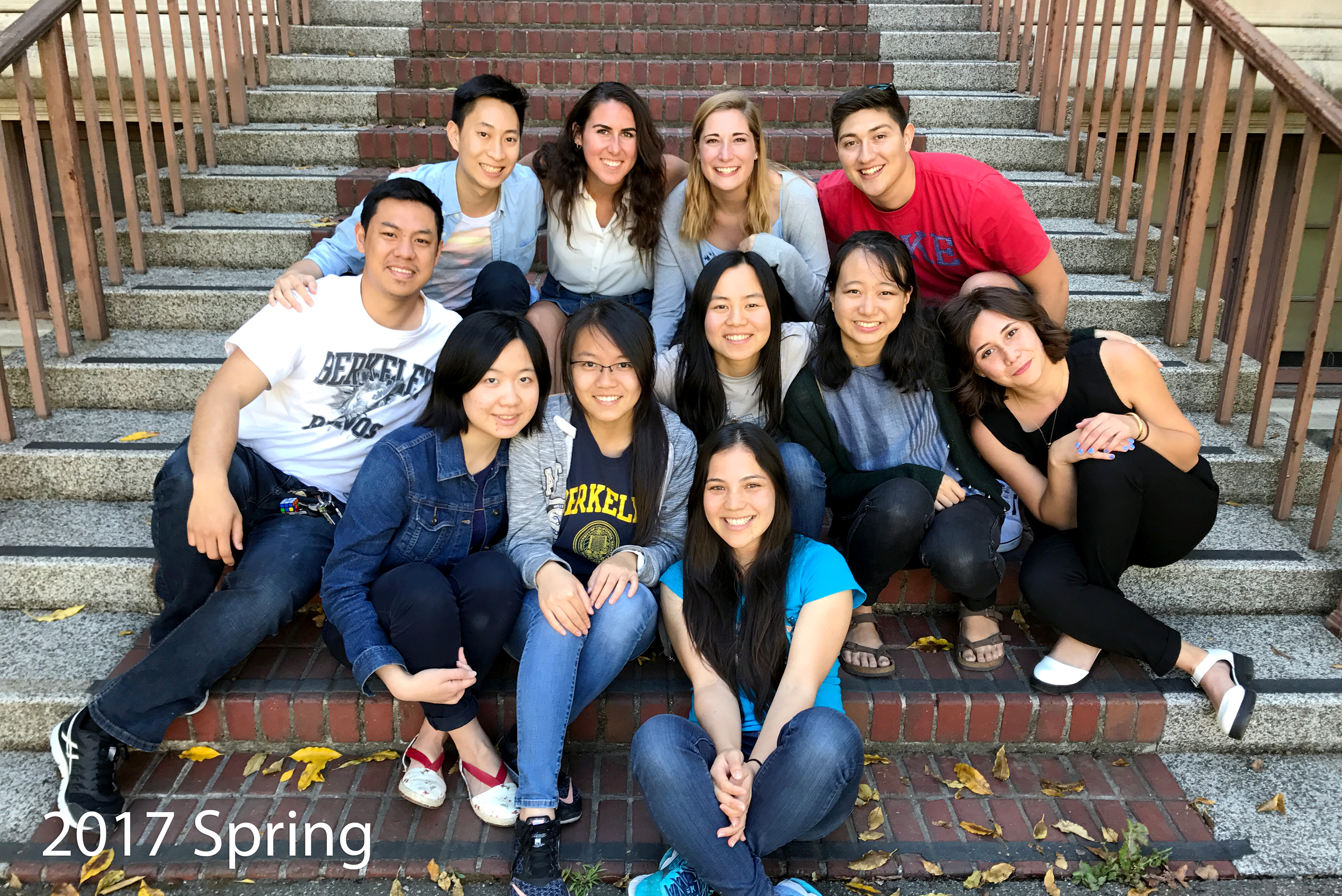
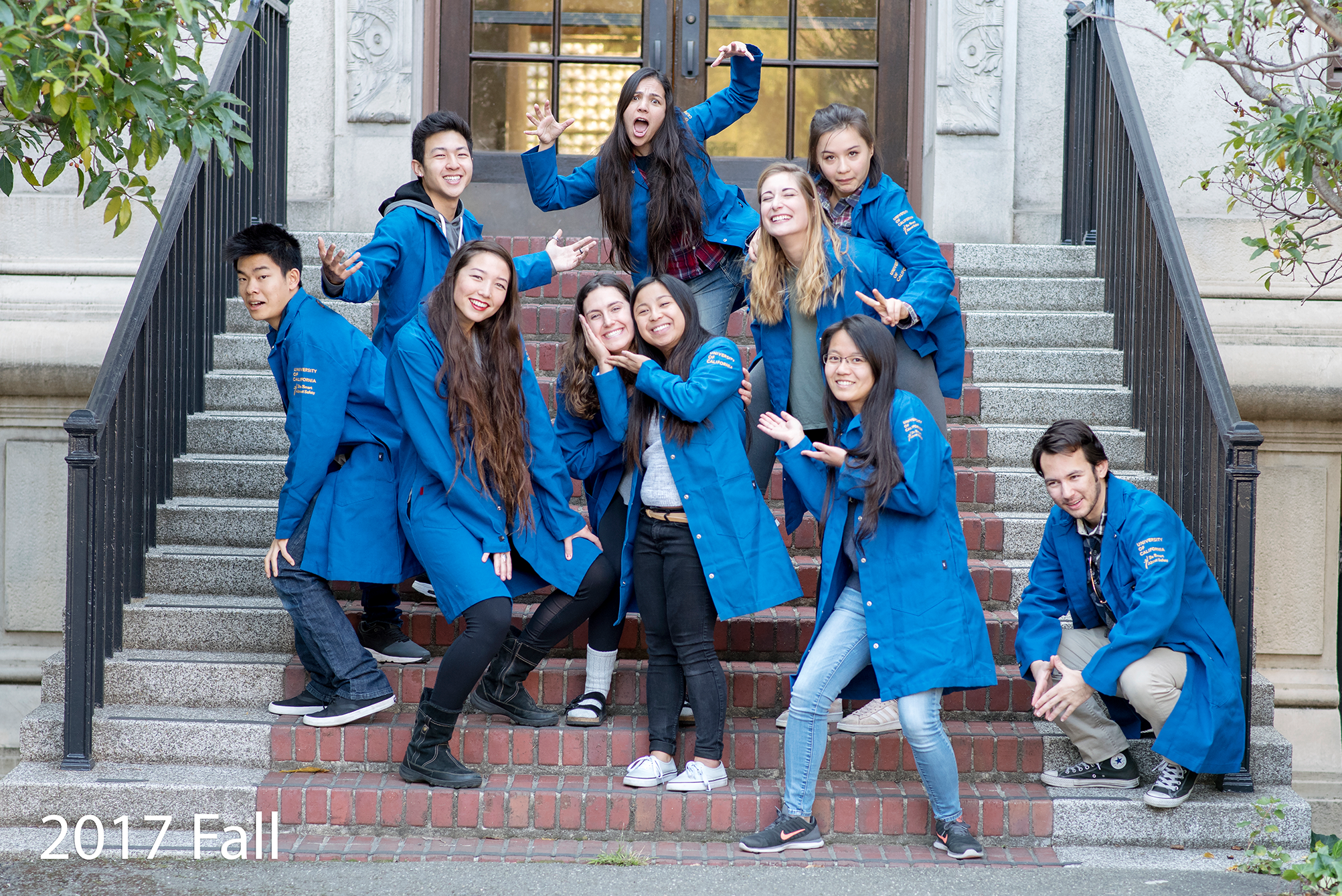
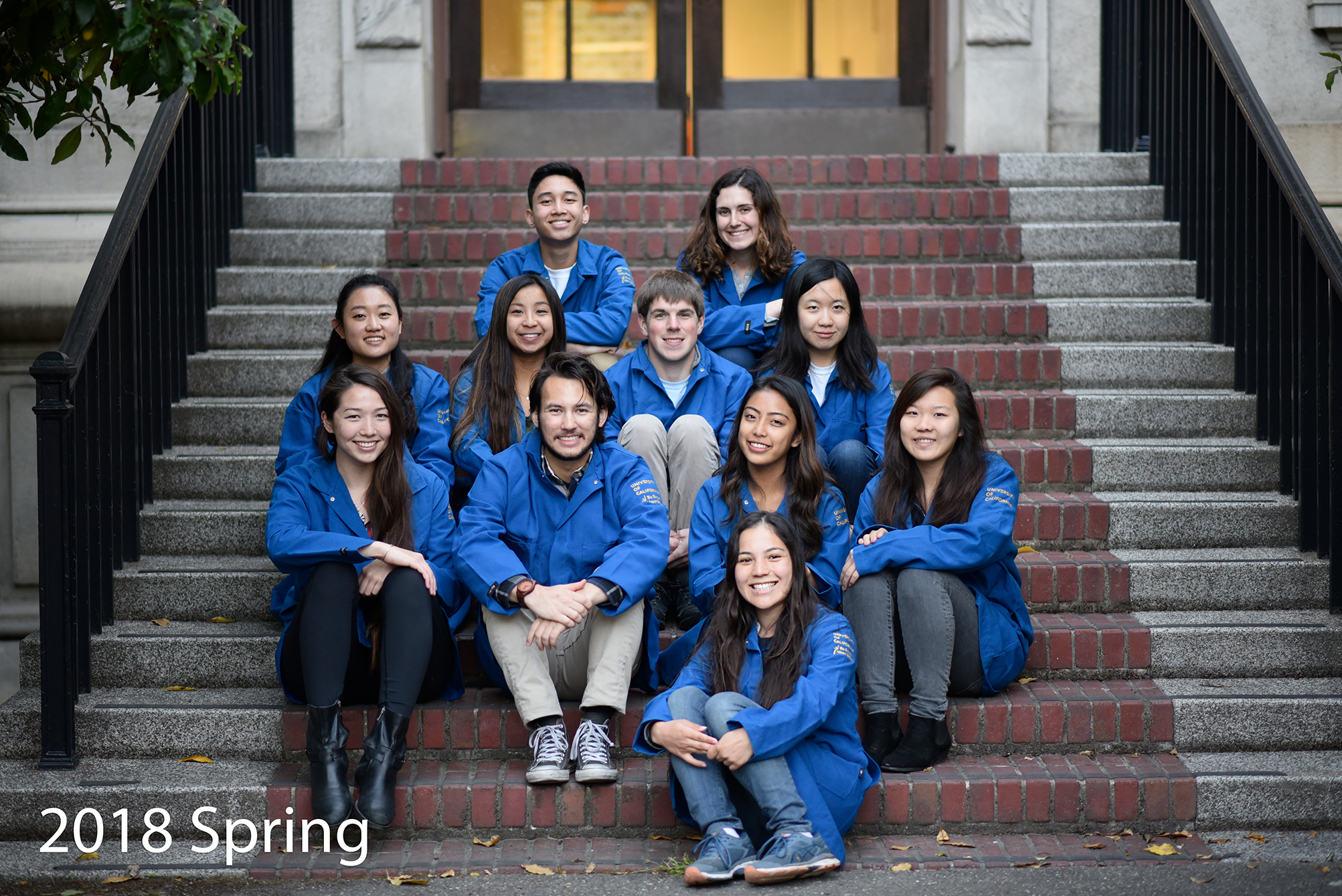

Select Independent Research Projects
Genetic and Morphological Effects of Web Loss in Spiders
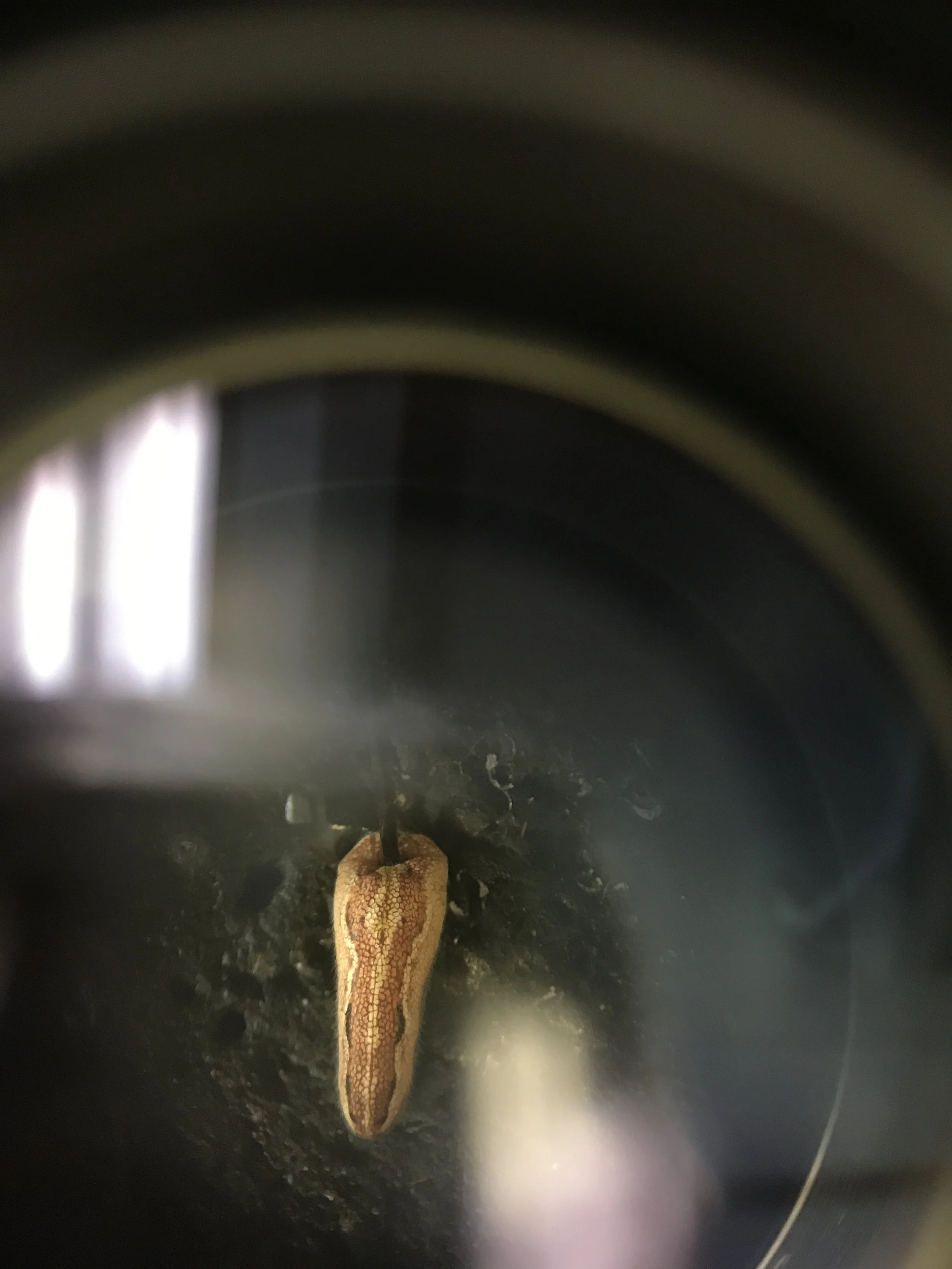
Repeated convergent events provide a unique framework to better understand the genetic basis of adaptive traits. This project investigates the morphology and genetics underlying web loss in the Hawaiian Tetragnatha lineage alongside sister families that have also similarly undergone web loss.
Impacts of Invasive Ginger on the Native Hawaiian Arthropods
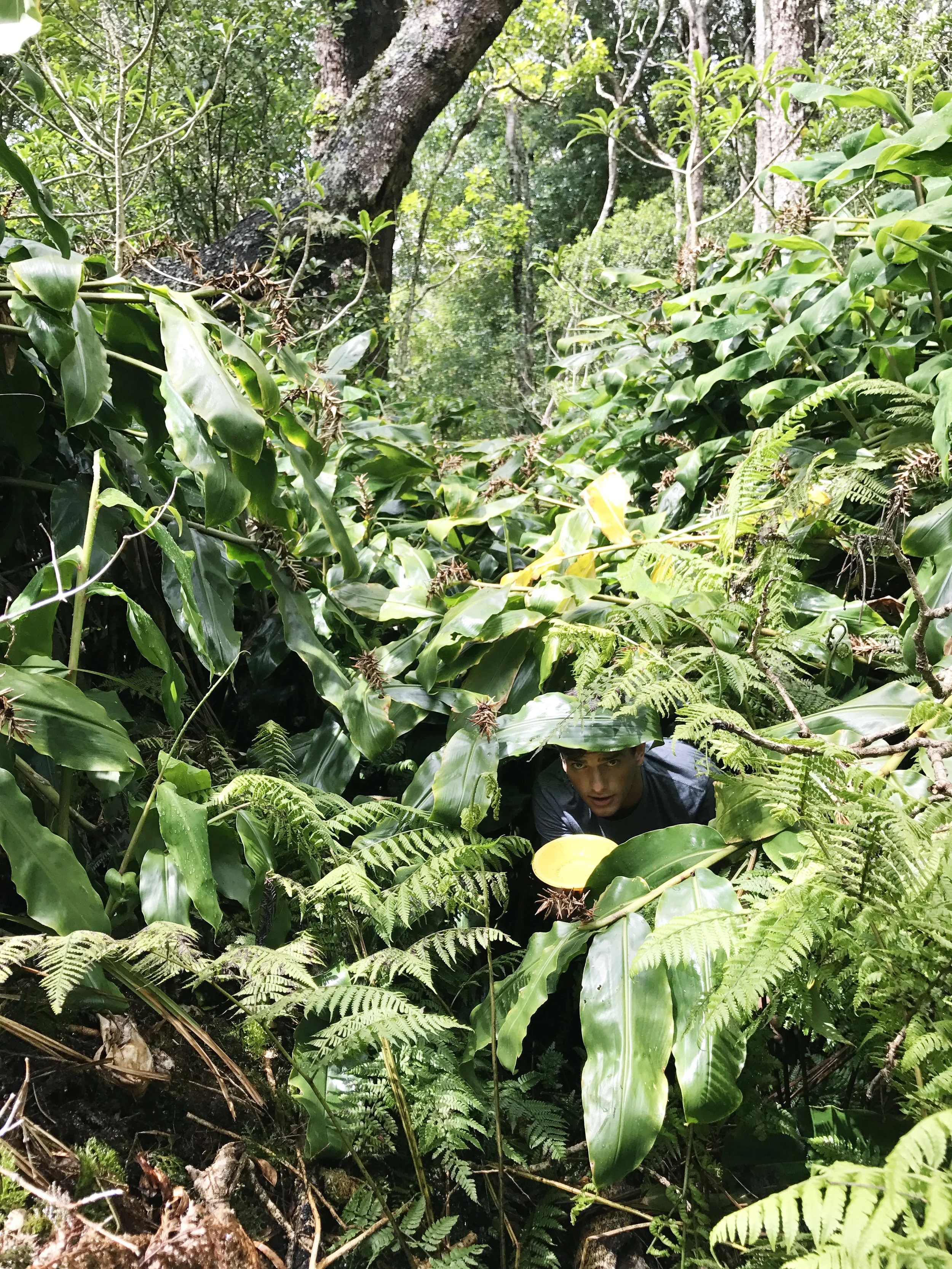
Invasive species are one of the primary threats to biodiversity and native ecosystems, yet we have little understanding of the mechanisms of invasion. This project investigates how a highly invasive plant affects the native arthropod community of Hawaii using genomic and isotopic biogeochemistry techniques.
Desiccation Resistance and Lipids in an Adaptive Radiation
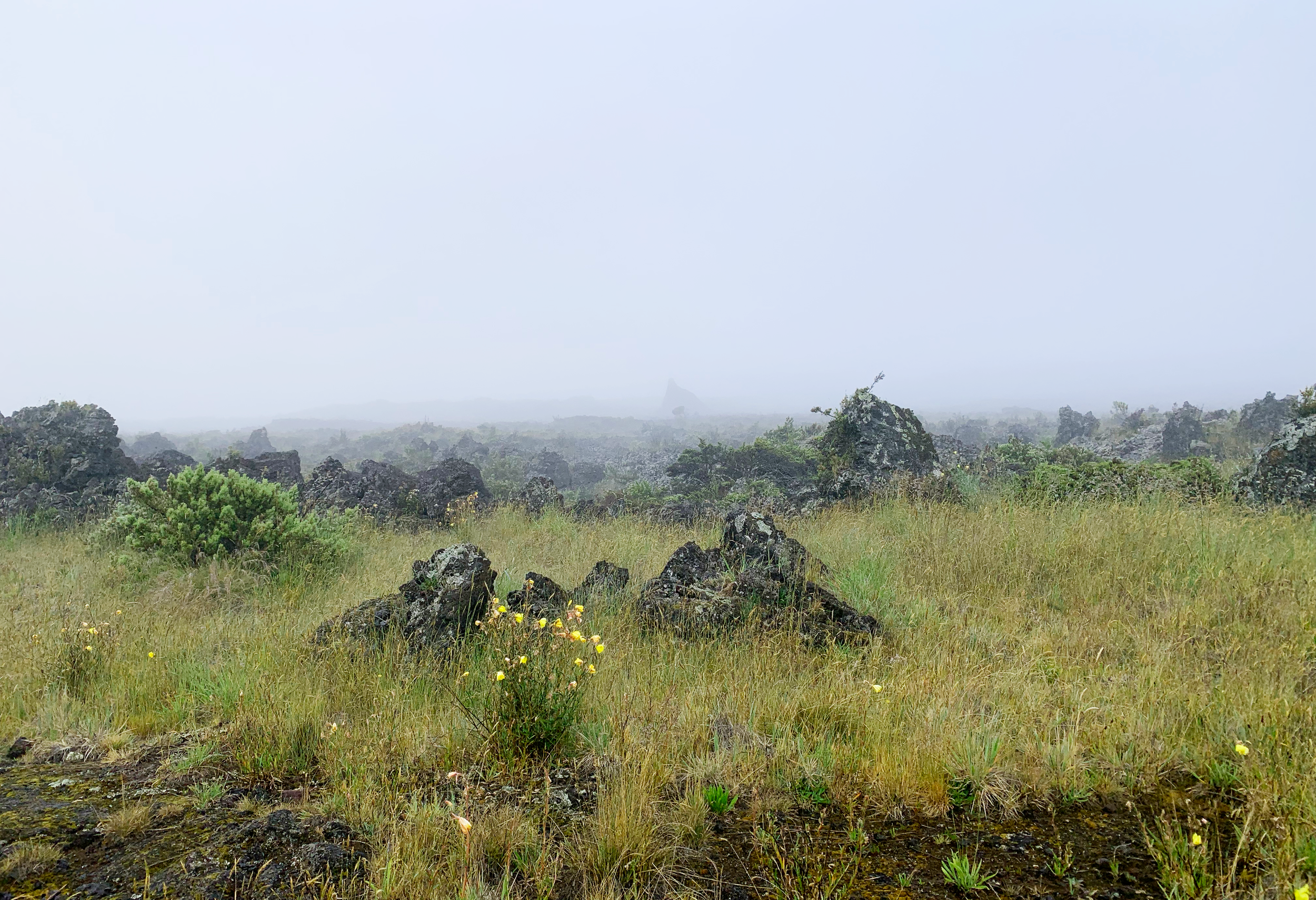
As the climate changes, concern continues to rise over whether and how species across the planet will be able to tolerate these changes. This project aims to understand the desiccation resistance and associated lipids of the closely related Hawaiian Tetragnatha spiders that lives in vastly different habitats.
The Use of Chemicals in Substrate Choice in an Adaptively Radiated Lineage
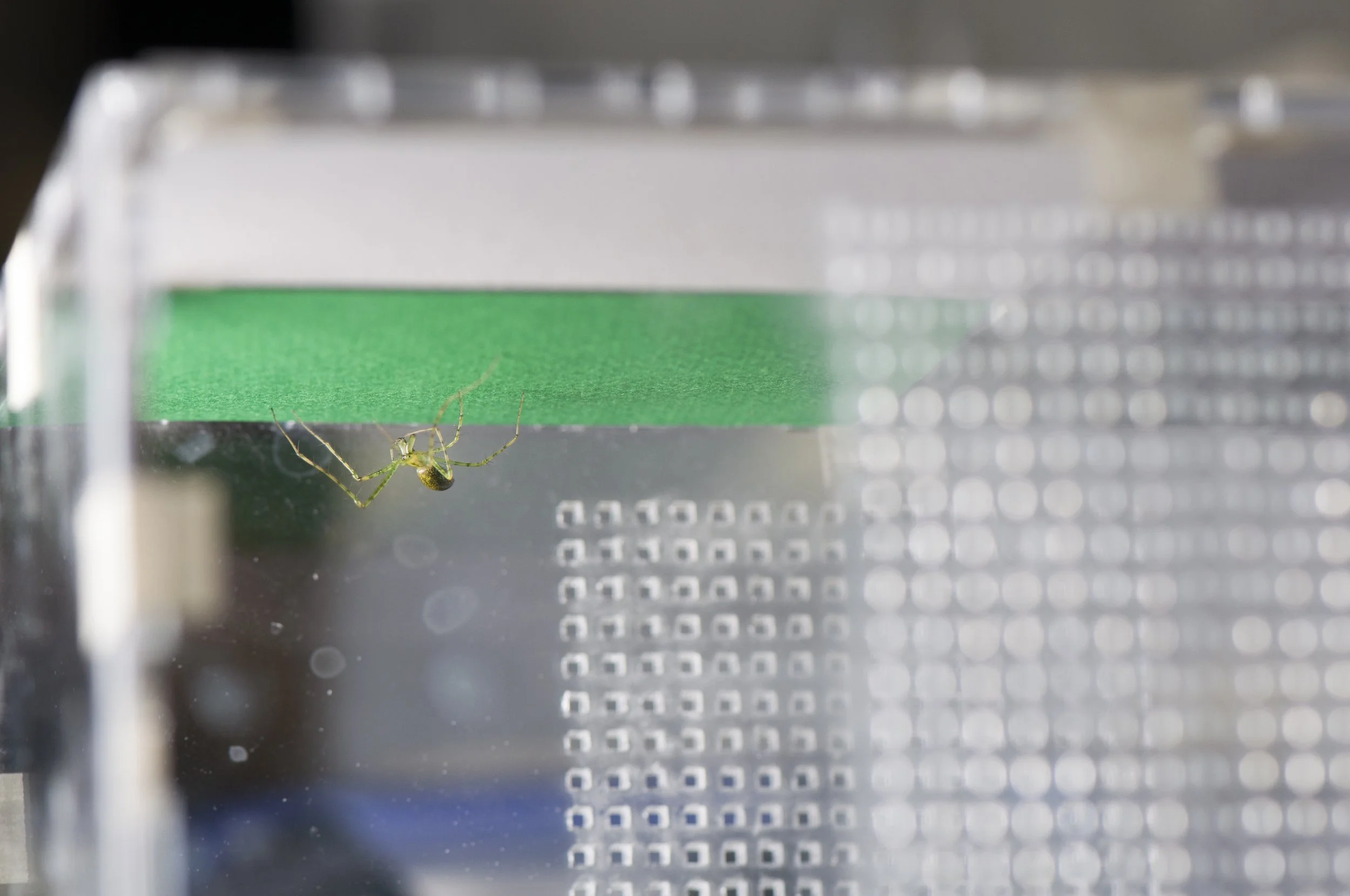
This study aims to examine the use of chemical cues in substrate choice across the cursorial lineage of Hawaiian Tetragnatha spiders that have independently, and repeatedly evolved into four ecologically distinct niche specialists (ecomorphs).
Role of Venom in the Mating Behavior of Tetragnatha Spiders
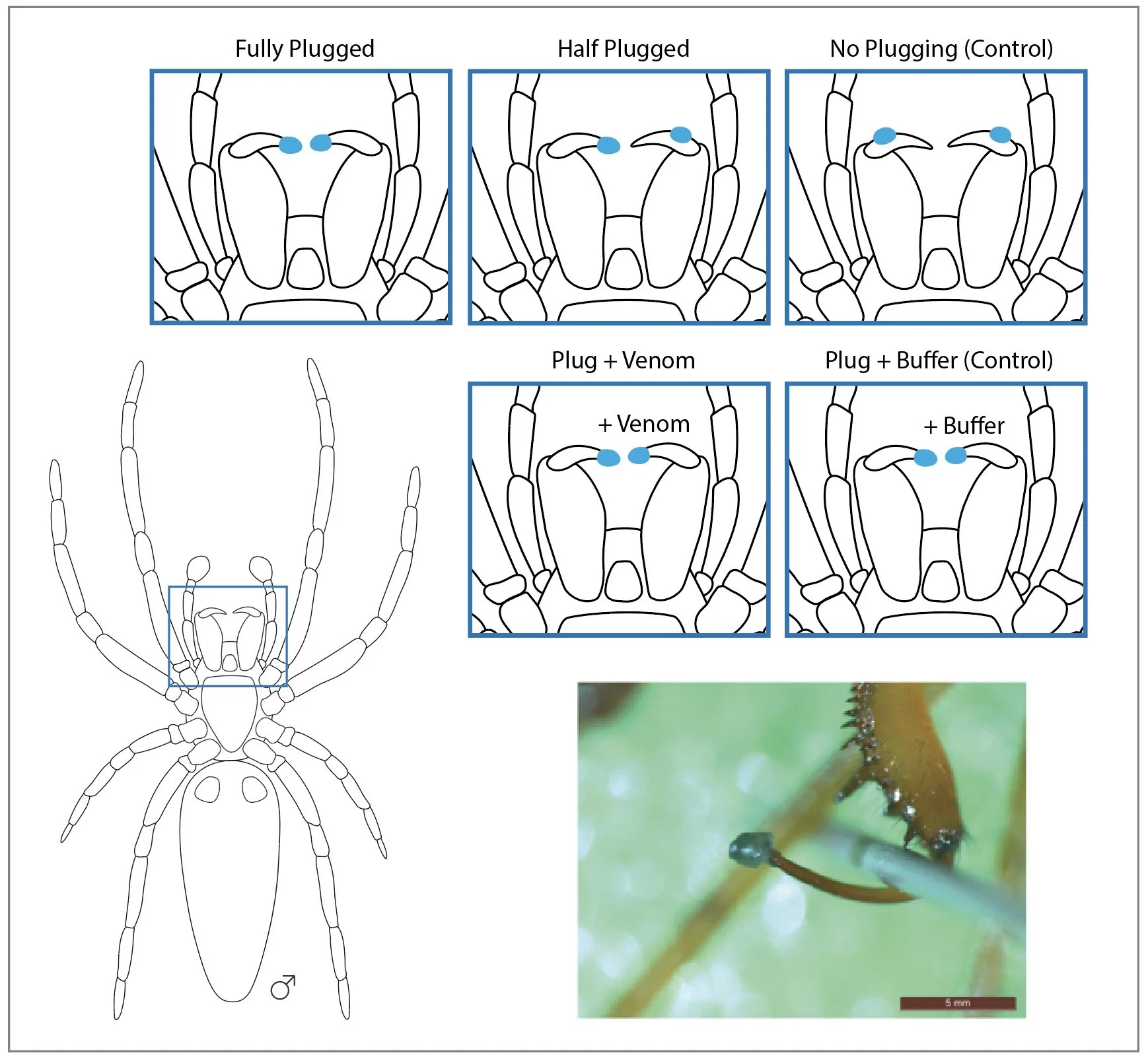
Sexual dimorphism found in venom is often explained as the result of ecological differences between males and females with few direct tests of potential roles of sex-specific components in mating behavior. Spiders of the genus Tetragnatha possess highly sexually dimorphic venom yet ecological patterns between males and females do not convincingly explain differences found in their venom. This study examines the use of venom in the mating behavior of Tetragnatha spiders by conducting a series of behavioral experiments using males with plugged venom pores and measuring the female’s behavior toward these males.
-
*F = Fall, S = Spring
Riley Meagher (Honors thesis) | S 2025 - S 2026
Evolutionary patterns of sexual chemical signals within an adaptive radiation of Tetragnatha spiders
Lauren Mandel | S 2025 - S 2026
Effects of invasive ginger on the native Hawaiian arthropod community
Jennifer Lee (Honors thesis) | F 2020 - S 2024
An alternative approach to understand adaptive radiation of the Hawaiian Tetragnatha spiders with use of chemical signatures
Shoichi Omoto (Honors thesis) | S 2020 - S 2023
The impact of climate variation on the chemical profiles of Tetragnatha spiders
Jana Roper | F 2019 - S 2023
Mate selection olfaction chemical in Tetragnatha versicolor and variations through ontogeny?
Sakina Magomedov | F 2018 - S 2020
Differences in color polymorphism across populations of Theridion grallator and Theridion californicum
Angelica Santos (Honors thesis) | F 2017 - S 2020
Can spiders fly? Dispersal behavior in Tetragnatha spiders
Monica Wilkinson (Honors thesis) | S 2017 - S 2019
Impacts of an invasive plant on the community composition of native and non-native Hawaiian spiders as reflected by isotopes
Tyler Moy | F 2017 - S 2019
Thermal tolerance, thermal preference, and desiccation resistance in California and Hawaiian Tetragnatha spiders
Shuanger Li (Honors thesis) | F 2015 - S 2019
Ginger invasion in Hawaii: sampling arthropod assemblages through metagenomics of spider gut contents
Role of venom in sexual dimorphism in Tetragnatha mating behavior
Cory Berger (Honors thesis) | S 2016 - S 2018
Silk gene expression in Tetragnatha spiders
Anna Wood (Honors thesis) | S 2016 - S 2018
A study of convergent evolution of leg spines and prey capture behavior in Tetragnatha spiders
Gregg Stephenson | F 2016 - S 2018
Impact of invasive plants on Hawaiian arthropod abundance and diversity
Evan Ho | F 2015 - S 2017
Assessment and evaluation of chemical communication in an adaptive radiation of Hawaiian Tetragnatha spiders
Jenny Xu | F 2015 - S 2017
Mechanisms of substrate choice in an adaptive radiation of Hawaiian Tetragnatha spiders
Rong Xu (Honors thesis) | F 2015 - S 2016
An Examination of California Tetragnatha versicolor pheromone production: Will it be affected by female body condition and what is its source?
-
Masami Amakawa
Kristina Askenas
Wesley Booth
Bridget Brown
Cindy Chan
Kayli Chan
Macy Chang
Vincent Chen
Tiffany Dinh
Michael Fink
Helen Froats
Karen Gallardo
Ningyu Gao
Jarad Gonzales
Anjali Gurajapu
Camille Herhusky
Calvin Huang
Maria Jovin
Riley Kahan
Dillon King
Frank Lee
Hans Li
Jacqueline Li
Caelle McKaveney
Kate Miller
Jasper Murphy
Helen Nguyen
Paunline Ni
Meghan Nolan
Monica Oh
Hena Osmani
Kannon Pearson
Grace Perry
Matthew Pham
Albert Qiang
Angelica Raymundo
Ariana Rosay
Matthew Swann
Livia Tran
Lloyd Tripp
Jonathan Wang
Xiaoxu Wang
Tian Yin
Khamillah Zimmer
Zachary Zollman