Chemical Architecture & Evolution
Structural Evolution of Chemical Signals
Background

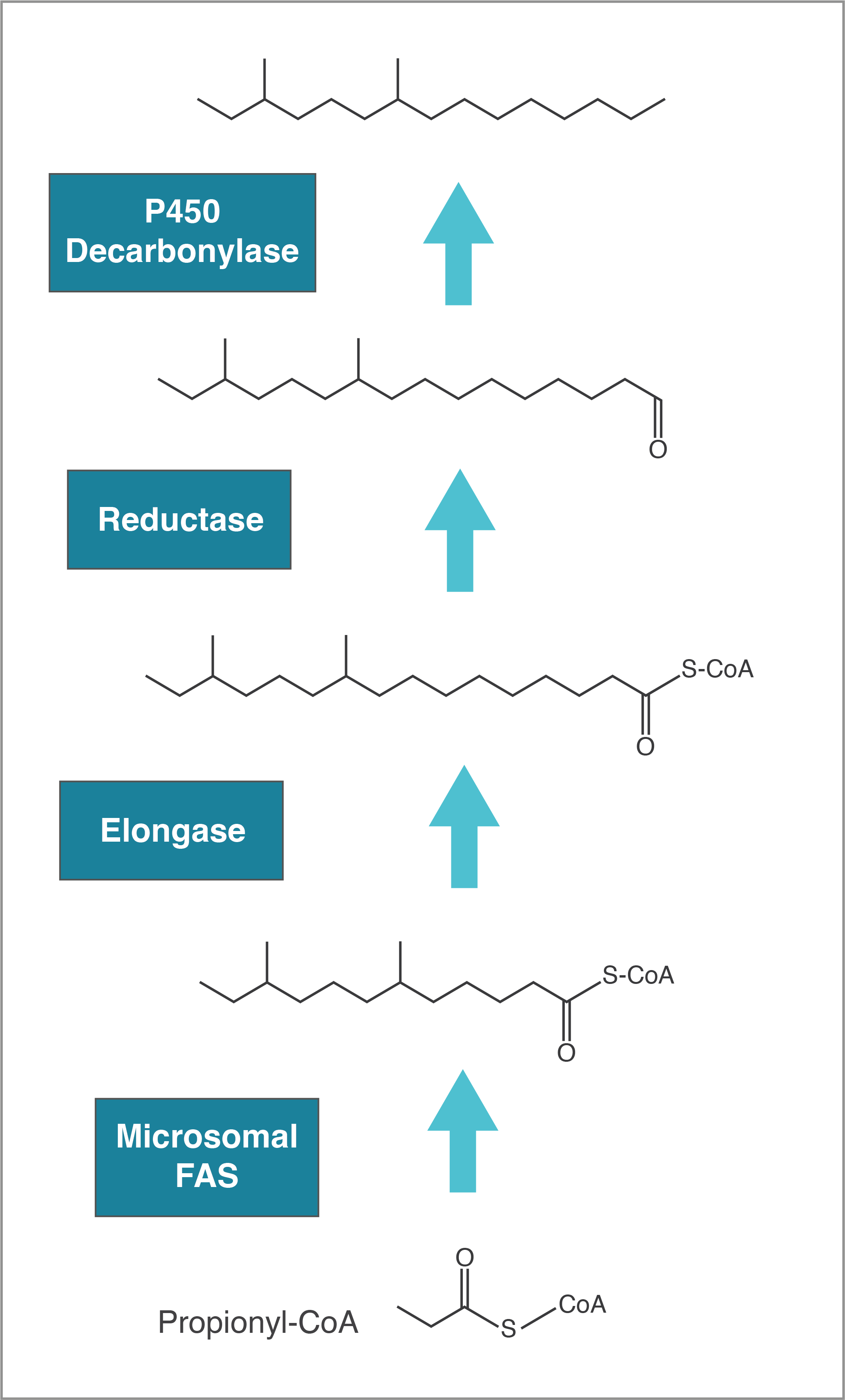
Understanding how chemical signals diversifies requires resolving the precise molecular structures of the signaling compounds themselves. Across insects, cuticular hydrocarbon diversification is controlled by well-characterized enzymatic steps that alter chain length and branching patterns. By determining the exact molecular architecture of cuticular methyl ethers in Tetragnatha, we can uncover the structural rules governing sexual signal evolution and trace how simple biochemical modifications generate distinct species- and population-level recognition cues.
Core Questions

What are the molecular structures of the methyl ethers mediating species recognition in Tetragnatha spiders?
Do chemical signals diversify through continuous variation or through discrete, modular structural shifts?
Structural Shifts Across Hawaiian Populations
Key Findings
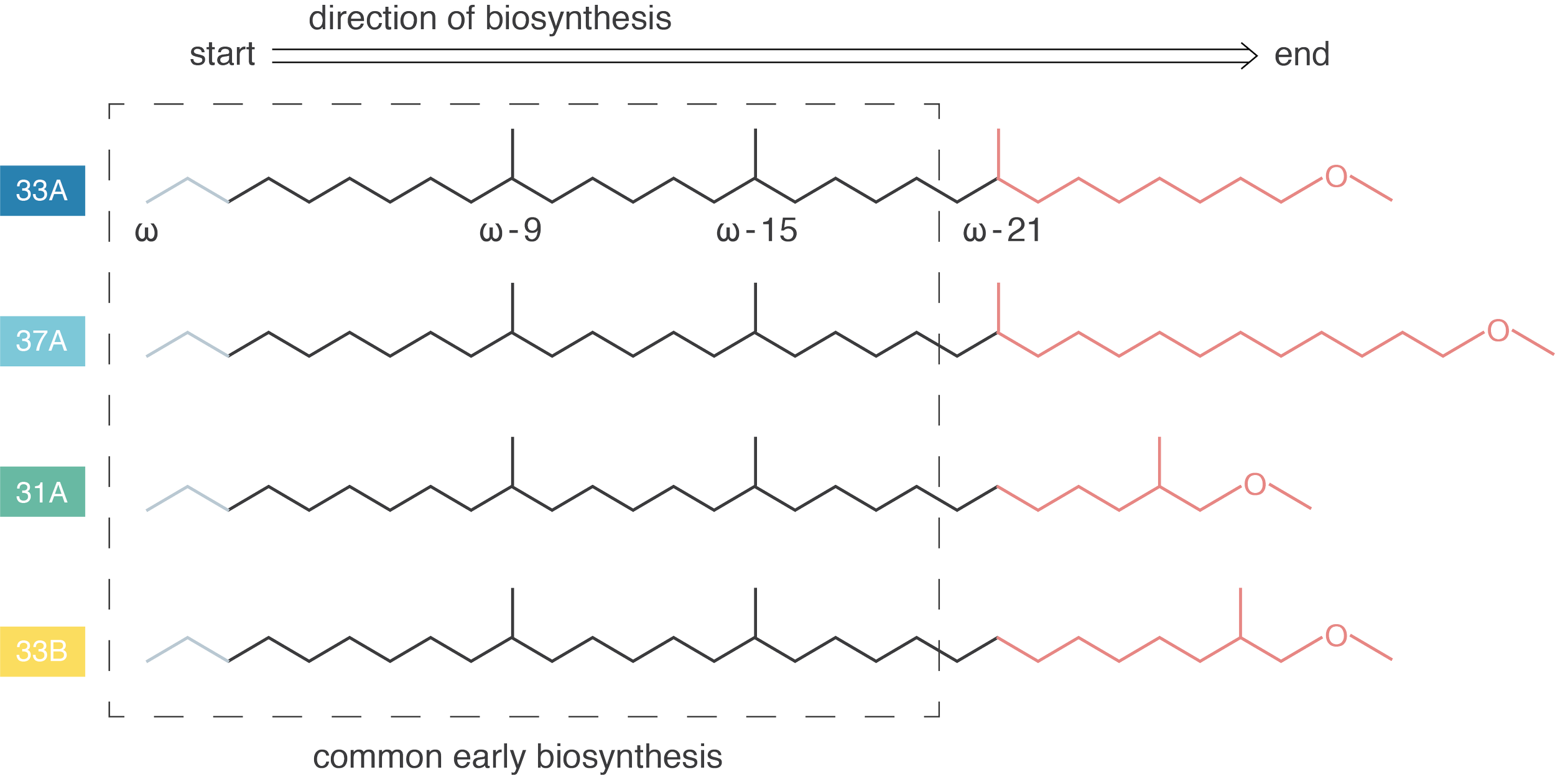
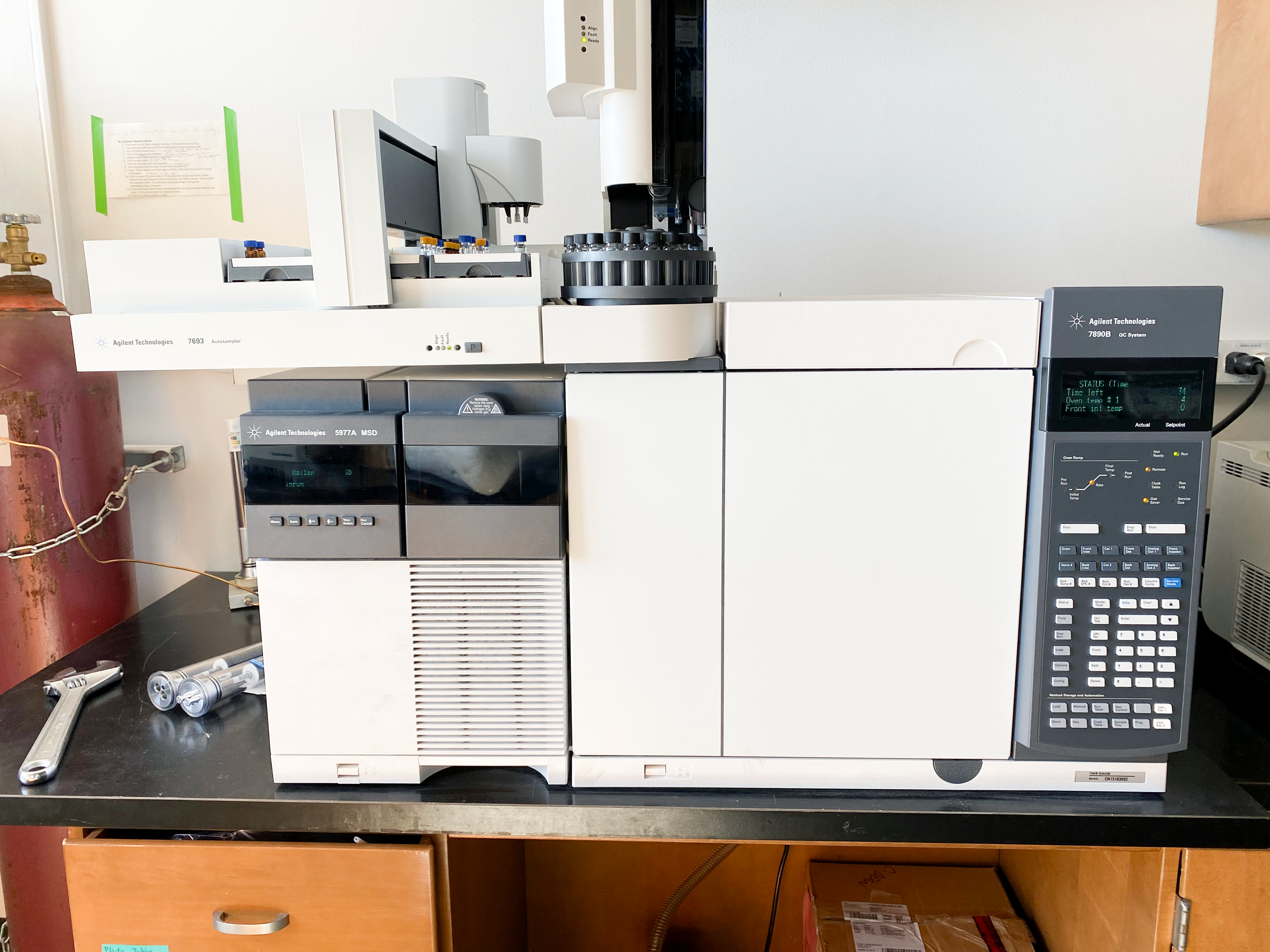
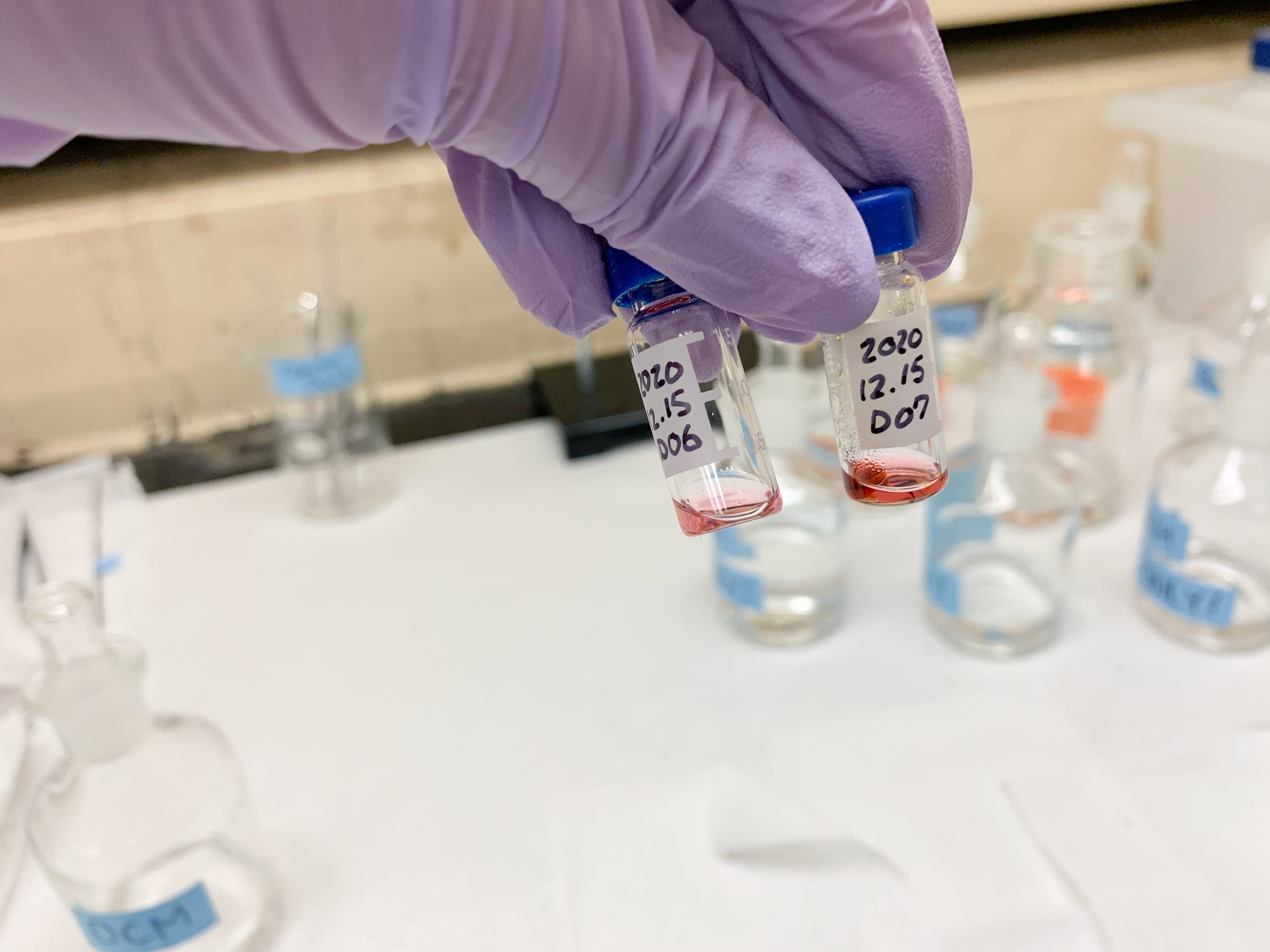
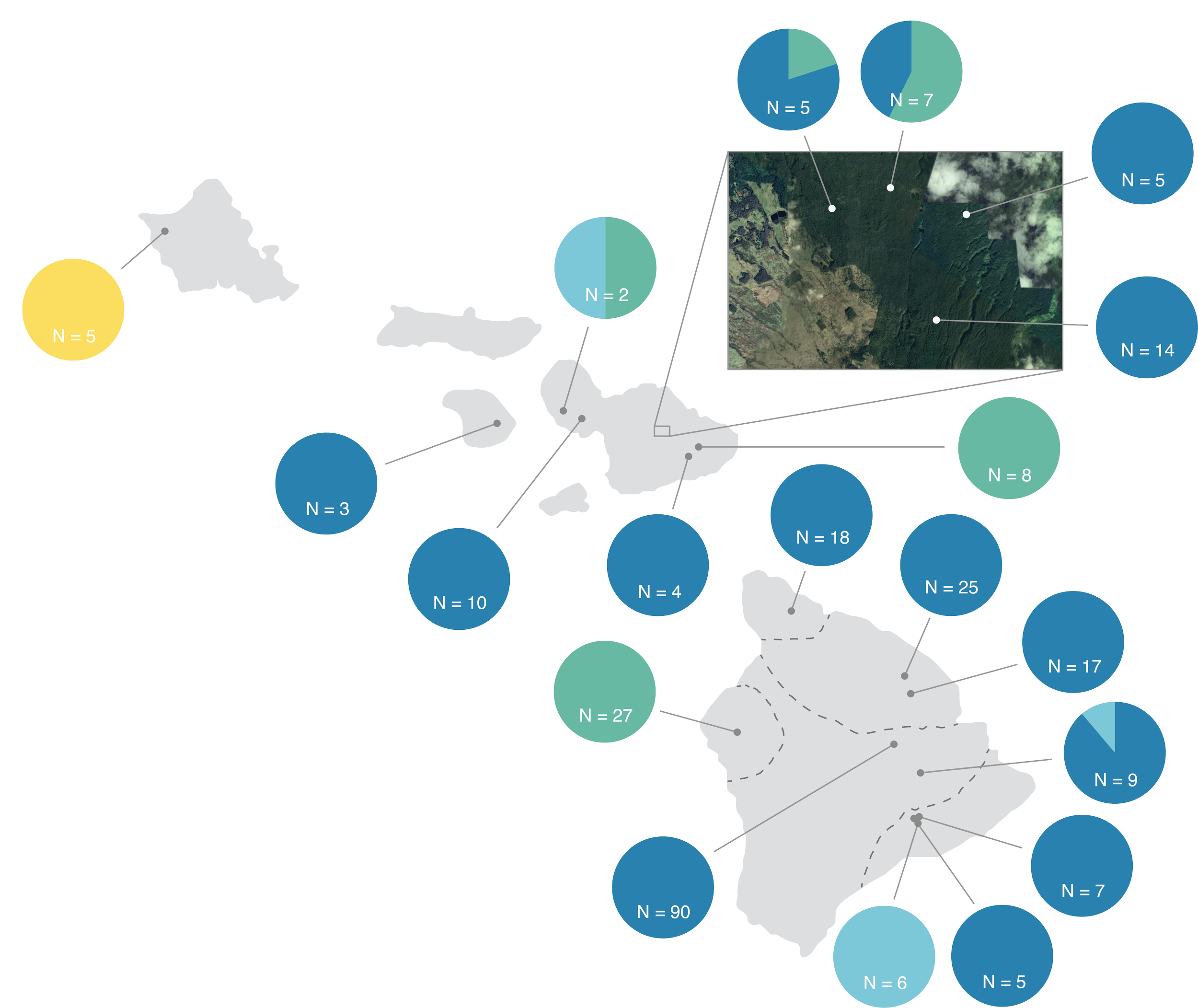
By combining microderivatization, high-resolution Orbitrap mass spectrometry, and GC-MS across Tetragnatha quasimodo populations in Hawaii, I resolved the structures of four discrete chemotypes (31A, 33A, 33B, and 37A). Pairwise comparisons revealed that these signals vary through remarkably discrete, modular transitions - all four share identical positions for their first two methyl branches, with chemotypes differing either solely by the placement of the terminal methyl branch (e.g., 33A vs. 33B) or exclusively by carbon backbone elongation (e.g., 33A vs. 37A).
Chemical Divergence in Continental Lineages
Key Findings
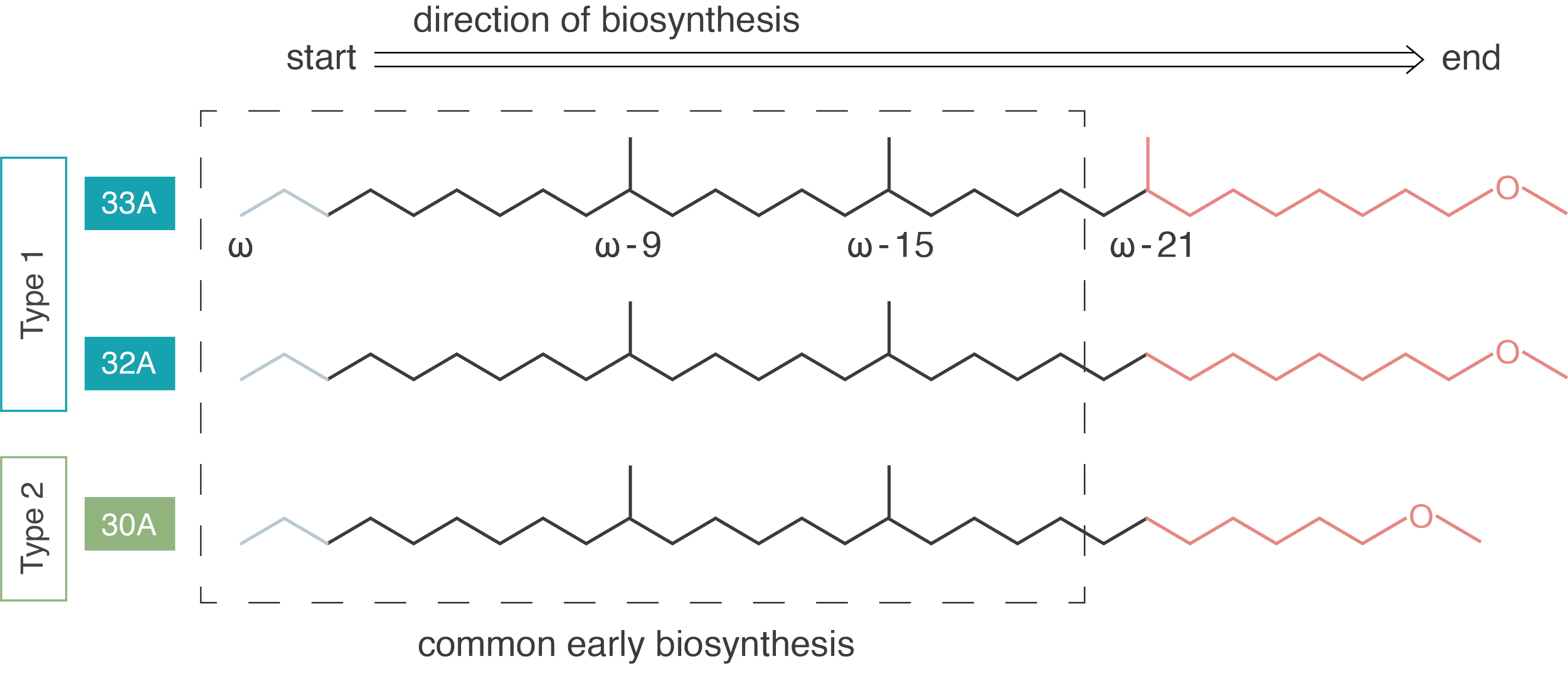
In California, chemical analysis of Tetragnatha versicolor revealed analogous structural patterns across its two primary chemotypes. Chemotype Type 1 features two methyl ethers differing only by the addition of a third methyl branch, while Type 2 shares the branching motif of Type 1 but differs strictly in carbon chain length. These parallel, modular shifts across both island and continental clades reflect the predictable activity of core biosynthetic machinery — specifically fatty acid synthases and elongases — highlighting a conserved mechanism that generate sexual signal diversity in natural populations.